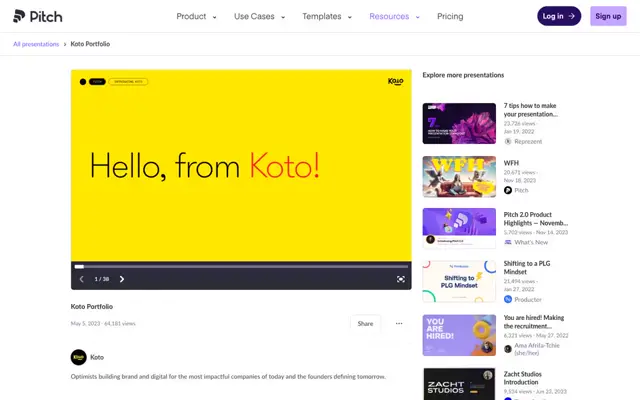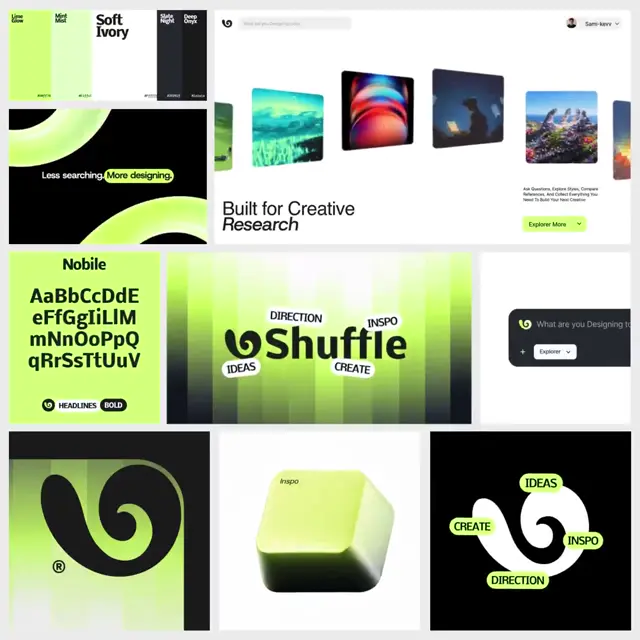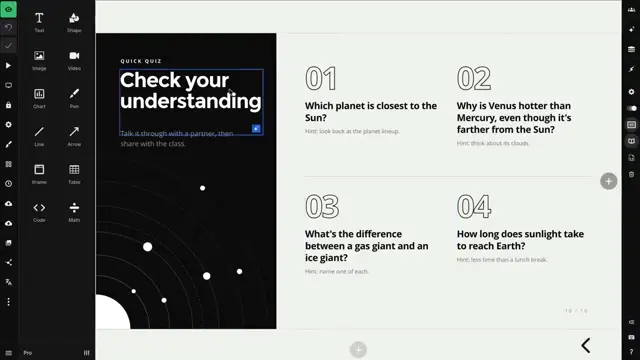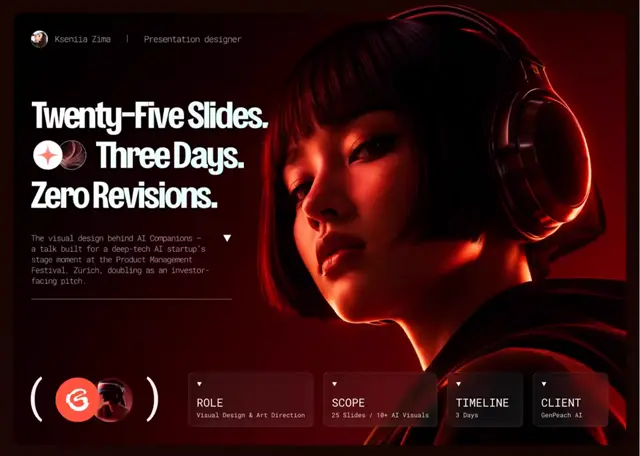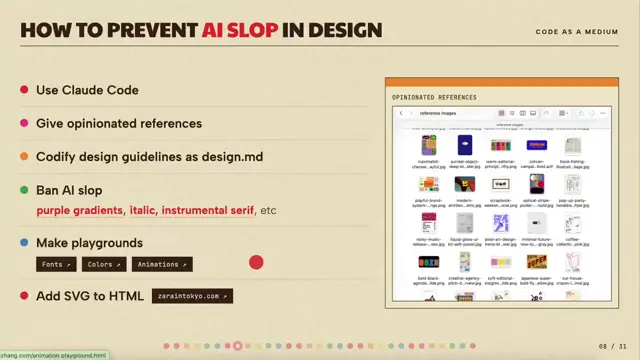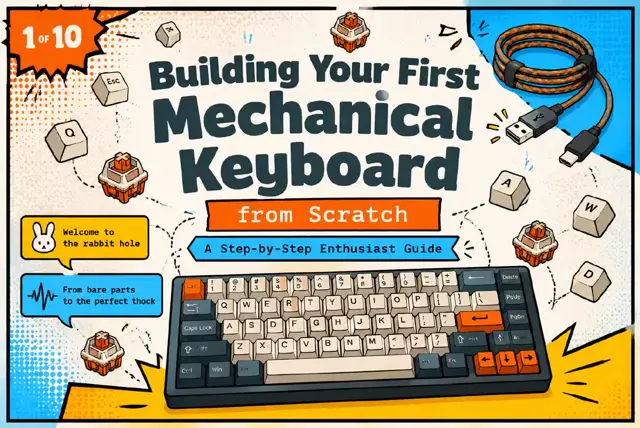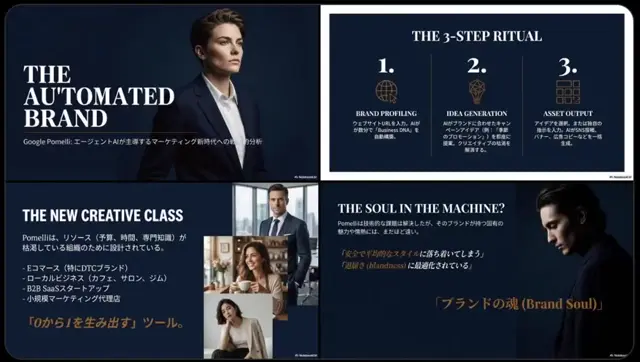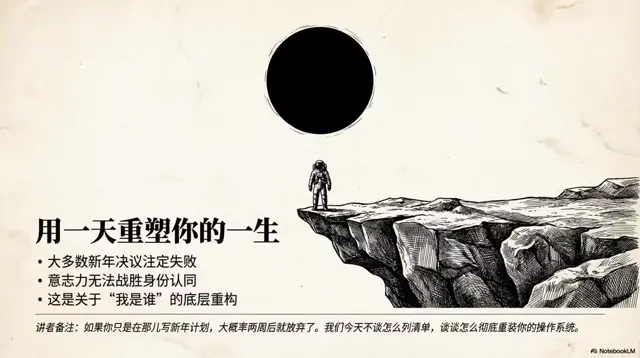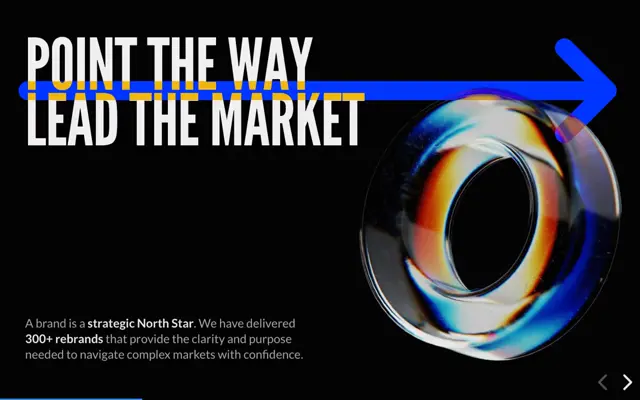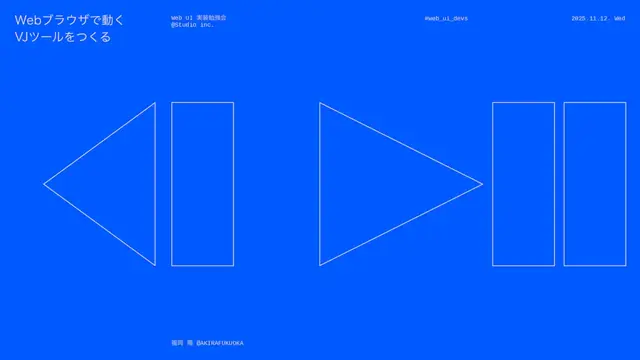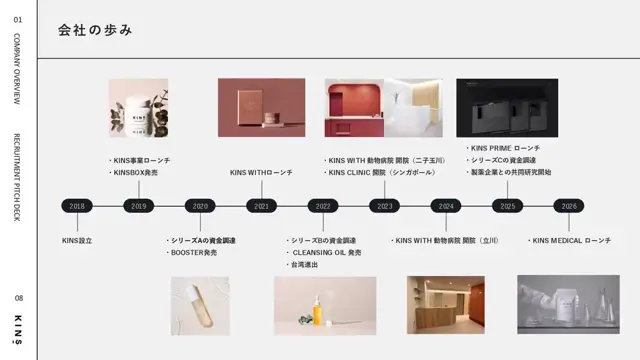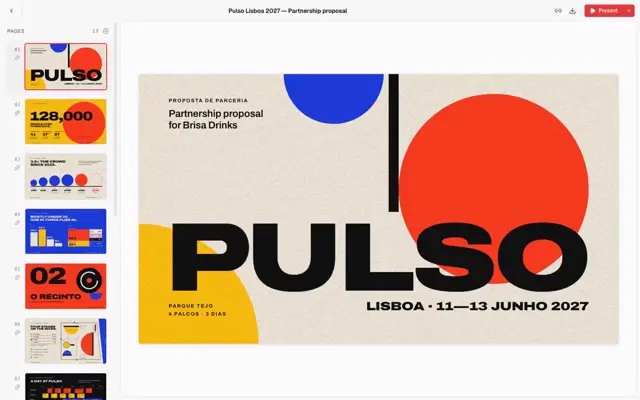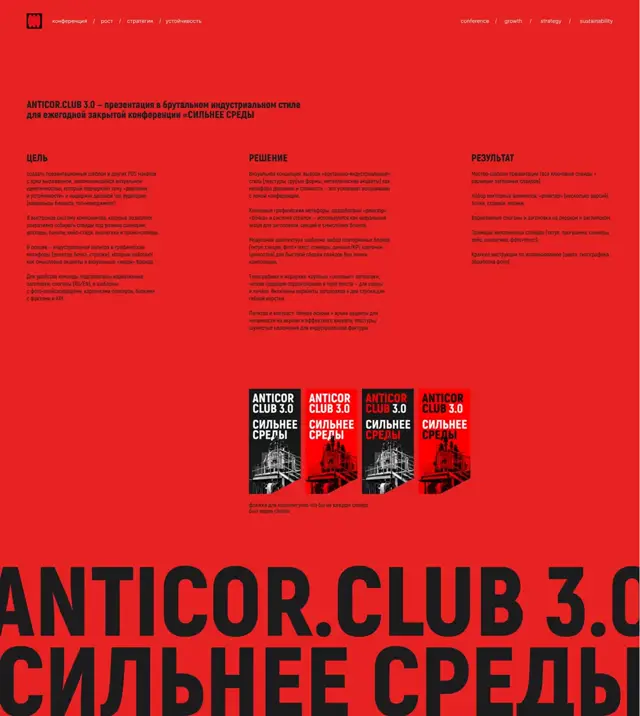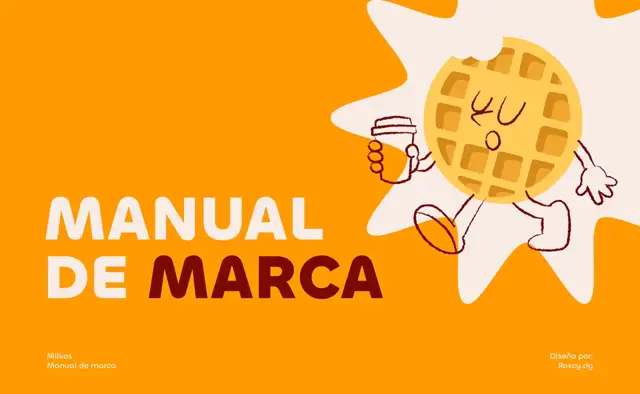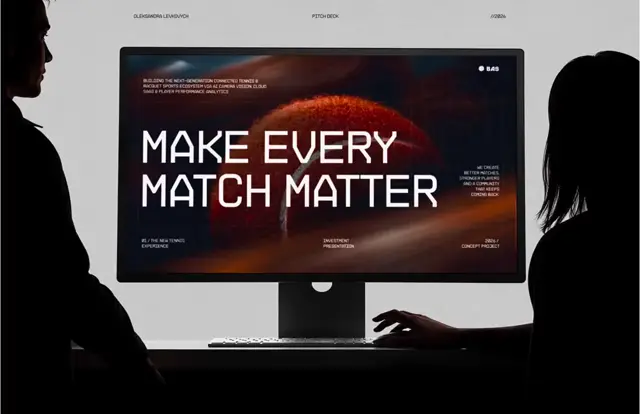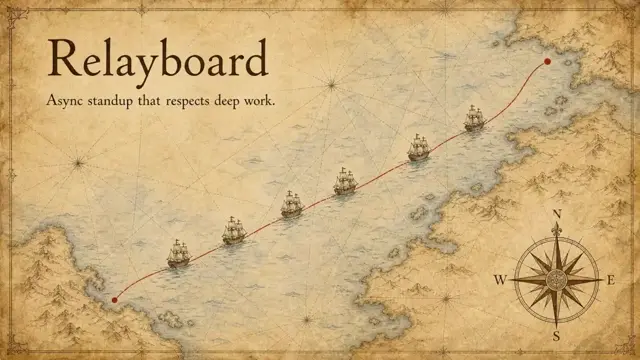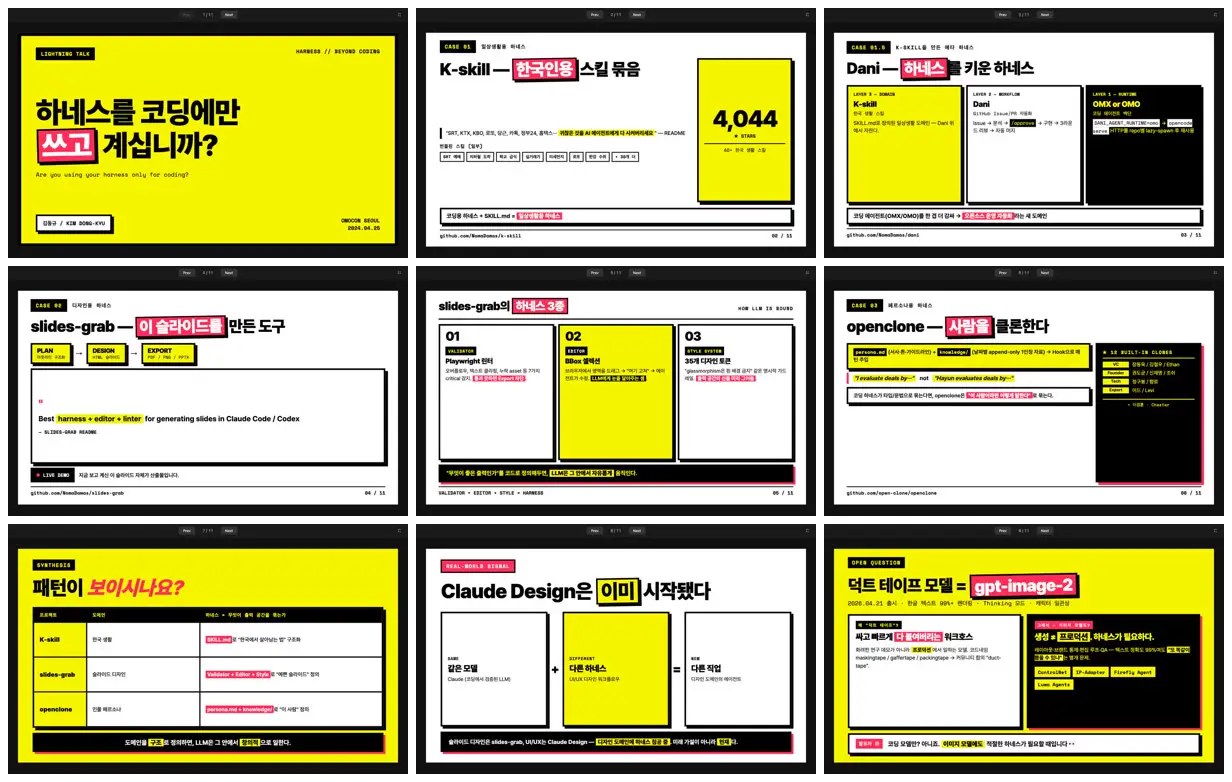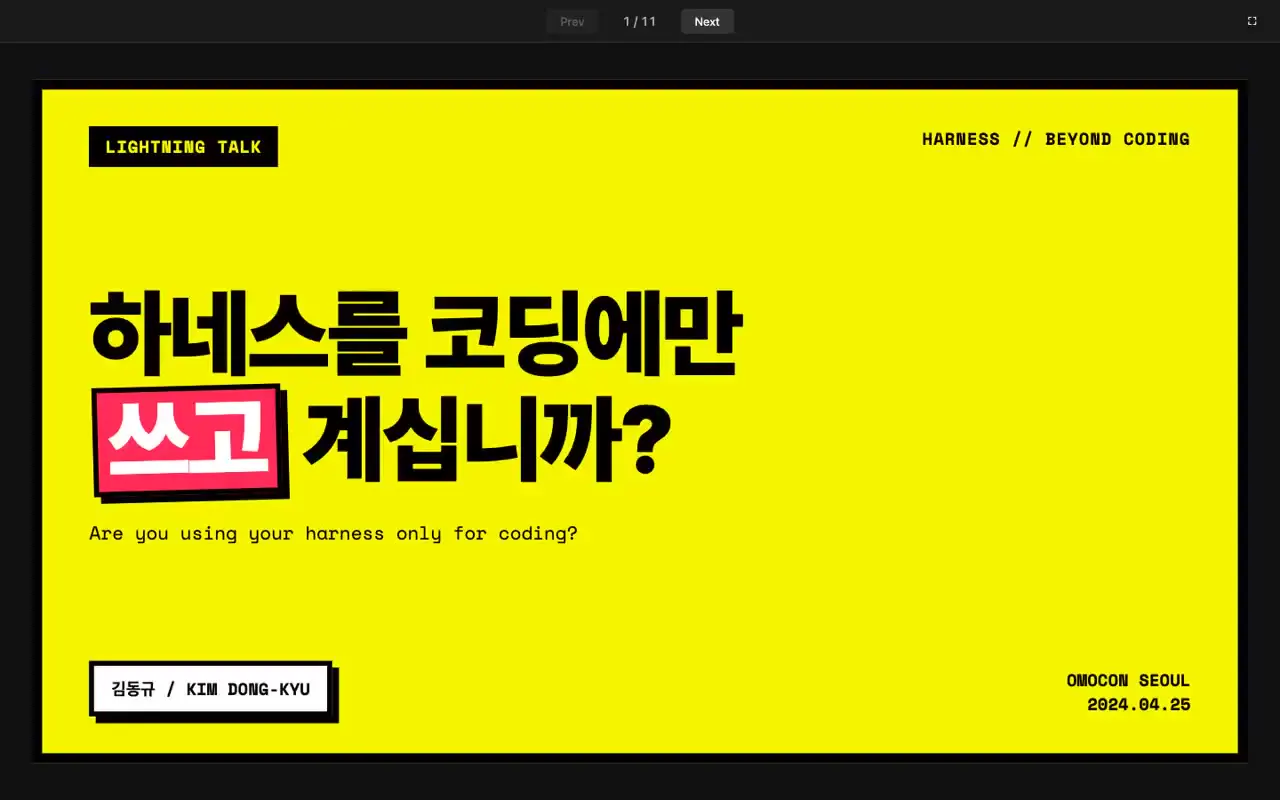
Use thick black borders and crisp lower-right offset shadows to make flat cards read as physical cutouts. Pair oversized headlines with a single tilted, contrasting word sticker, reserving smaller monospaced-looking text for labels and technical details. Alternate white case-study pages with yellow synthesis pages, and translate each new subject into an appropriate visual structure—layers, process steps, a comparison table, or an equation—instead of reusing one card layout.
No creator prompt published. Reference wrote this brief. Copy for agent includes the brief, visual reference links, and setup guidance.
Yellow sticker-style lightning talk
A Korean talk on agent harnesses beyond coding, in yellow, black, white and hot pink sticker panels: case studies, workflow layers, process cards and a synthesis table. Built with slides-grab, a slide harness for Claude Code and Codex.
You'll need
- slides-grab (npm) with Claude Code or Codex
How it was made
Deck from the slides-grab showcase gallery (https://nomadamas.github.io/slides-grab/): "a static gallery of presentations built with slides-grab", the "harness + editor + linter for generating slides in Claude Code / Codex". Each slide is its own HTML file plus a viewer and PDF.
slides-grab
Source and credit
GitHub · Apr 27, 2026 · 1.2k stars
Made with AI, according to the source
Look notesby Reference
A Korean-language lightning-talk deck with a neo-brutalist, high-contrast editorial style, using product and tool examples to build toward a design synthesis and open question.
- Color
- Acid yellow, black, and white dominate; hot pink highlights key words and details, with occasional muted gray.
- Type
- Large, heavy sans-serif headlines—often mixing Korean and English—paired with compact labels, small UI-like text, and boxed emphasis.
- Framing
- Rigid, modular layouts with thick black rules and outlined panels. Bright yellow fields alternate with white backgrounds; tables, comparison cards, numbered sections, and highlighted phrases organize the content.
- Structure
- An opening title leads into tool and product case studies, followed by a synthesis table, a design-equation slide, and a closing open question.