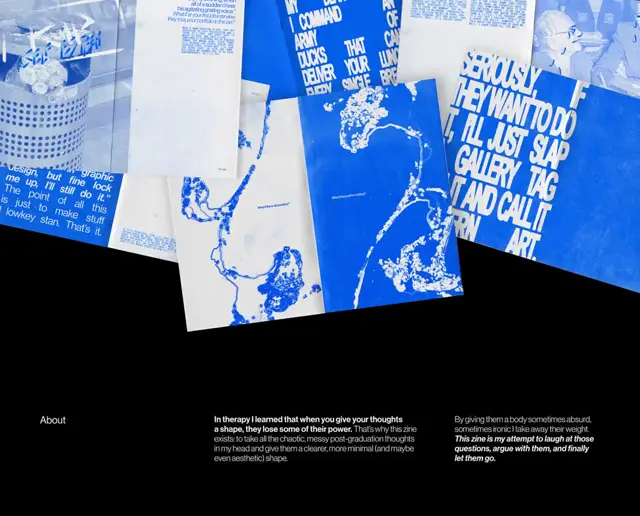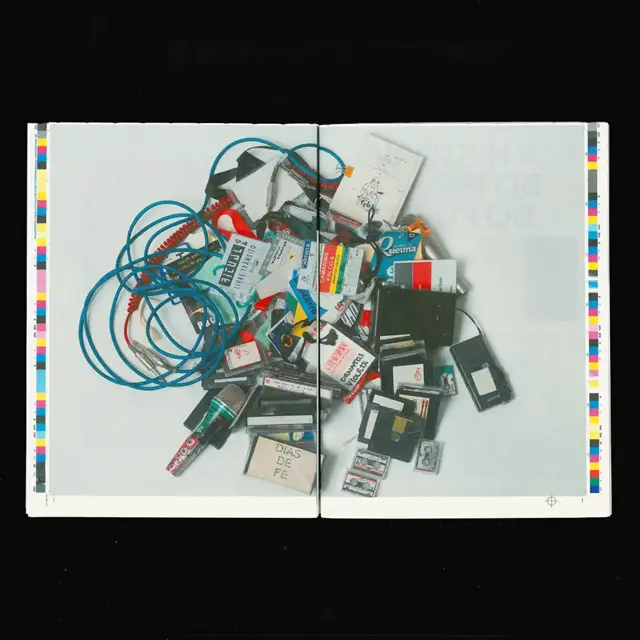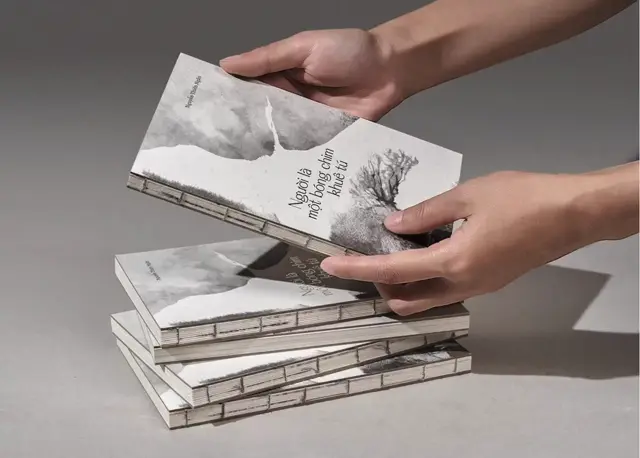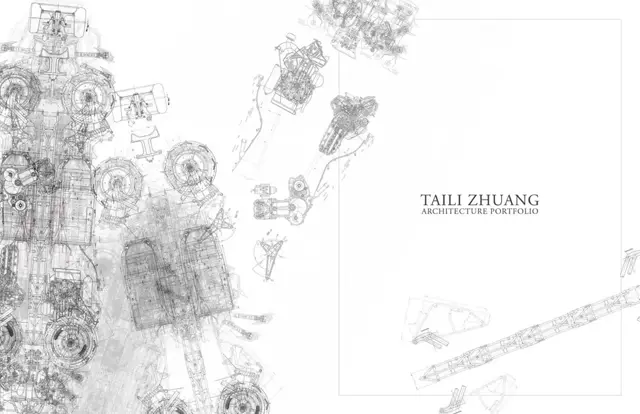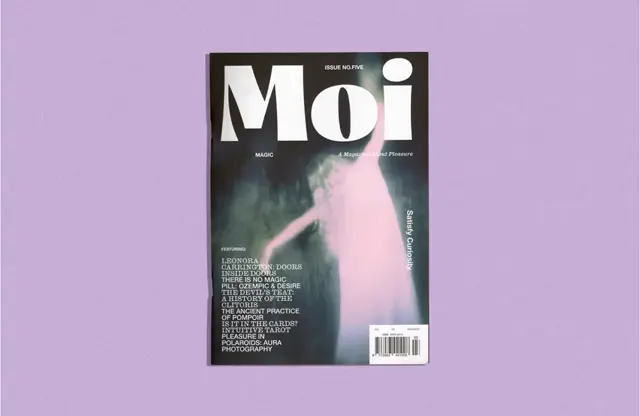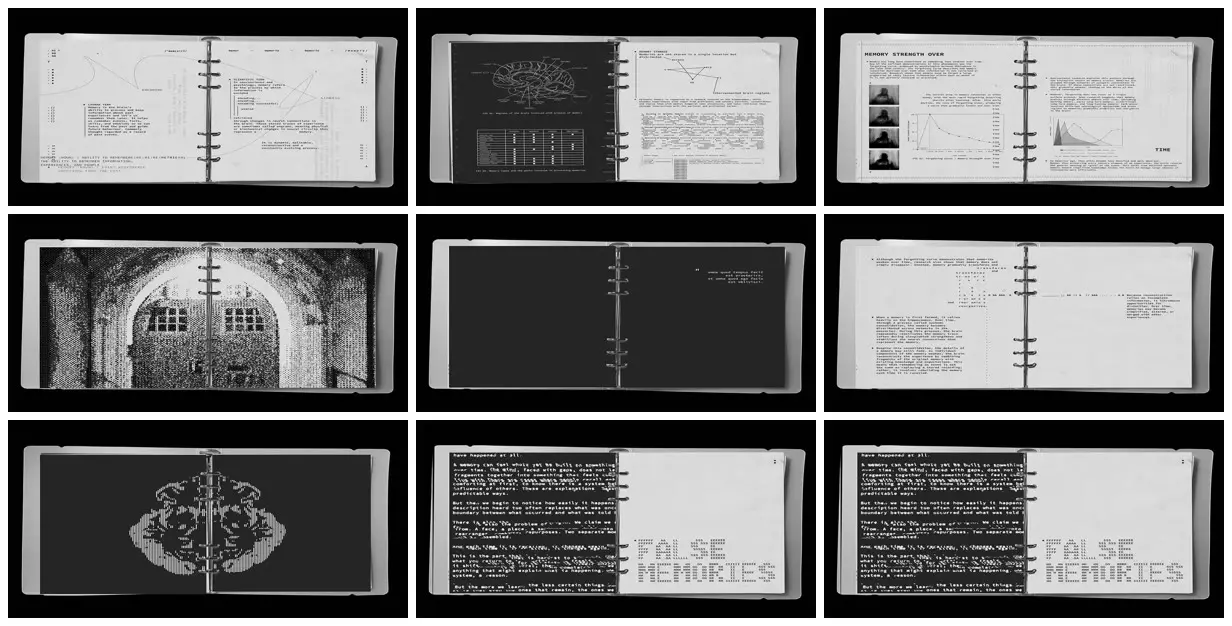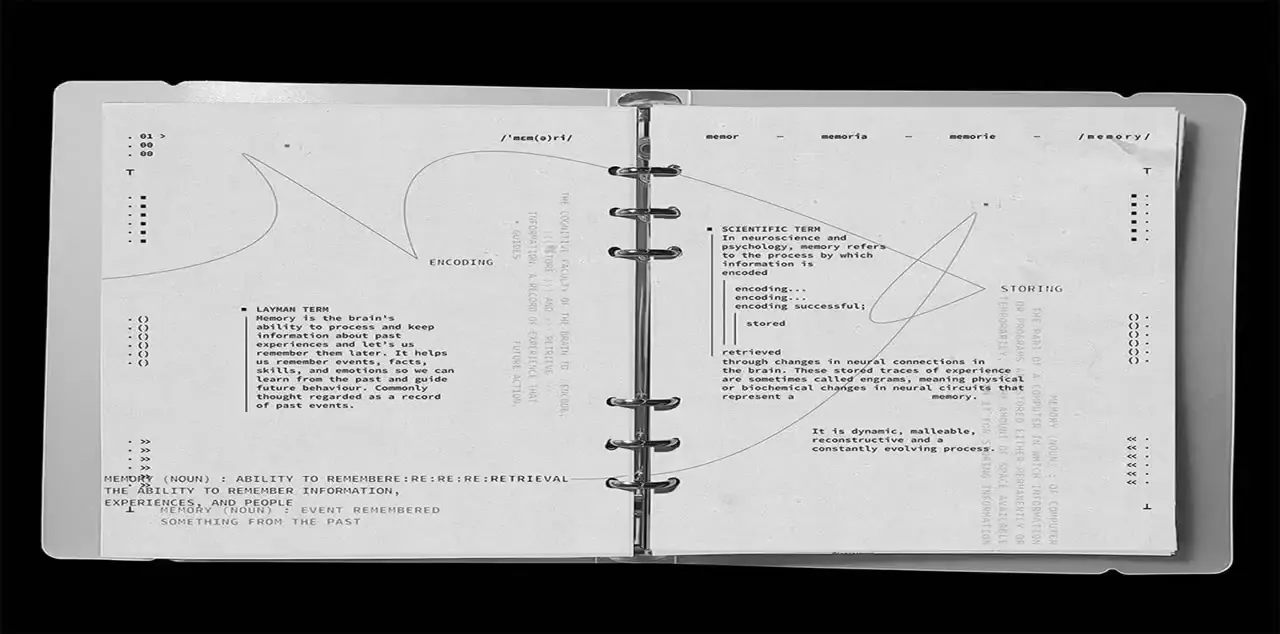
Use a consistent photographed binder frame and monochrome paper textures to connect varied editorial spreads. Alternate precise hairline diagrams and compact monospace explanations with spacious dark interludes, then progressively break text into displaced letters and symbols to visualize a changing concept. For a new subject, replace the brain imagery, charts and explanations with subject-specific evidence, and make the typographic degradation express that subject’s process rather than copying the memory theme.
No creator prompt published. Reference wrote this brief. Copy for agent includes the brief, visual reference links, and setup guidance.
Memory as a fragmented lab notebook
A monochrome ring-bound zine explores memory through scattered definitions, brain diagrams, retention charts, degrading portraits, fragmented text and a large brain image built from vertical marks.
Source and credit
Website · Apr 9, 2026 · 2.7k views · 7 comments
Authorship not stated by the source
Look notesby Reference
A monochrome, research-oriented zine about memory, combining explanatory writing with scientific-style graphics and occasional architectural or brain-like illustrations.
- Color
- Black, white, and cool gray, with strong contrast between pale paper and dark panels.
- Type
- Small, restrained sans-serif headings and dense body text; labels and captions accompany diagrams and charts.
- Framing
- Open two-page spreads centered on a vertical ring mechanism. Text blocks, diagrams, charts, and small image panels are arranged in orderly editorial layouts, with some spreads using large areas of dark background.
- Structure
- Alternating informational spreads with text and diagrams, data-focused pages with charts and image strips, and darker illustrative interludes.