Build a single self-contained HTML file using Three.js that renders a
~150-second, fully automated, cinematic camera journey "inside the mind of
an AI". Render everything through a custom ASCII post-processing shader
(dense monospace glyph grid, characters chosen by luminance, tinted per
scene, subtle glow and film grain). No cuts — one continuous camera path
with smooth crossfades between rooms.

Scenes (in order, each with its own palette):
1. Black void with sparse drifting glyphs. Center terminal prompt "> wake _"
   with an orange (#D97757) chevron and blinking cursor.
2. Amber/gold infinite library hall — tall shelves, arches, glowing lamp,
   camera dollies forward.
3. Teal/blue towering pillars made of falling digits.
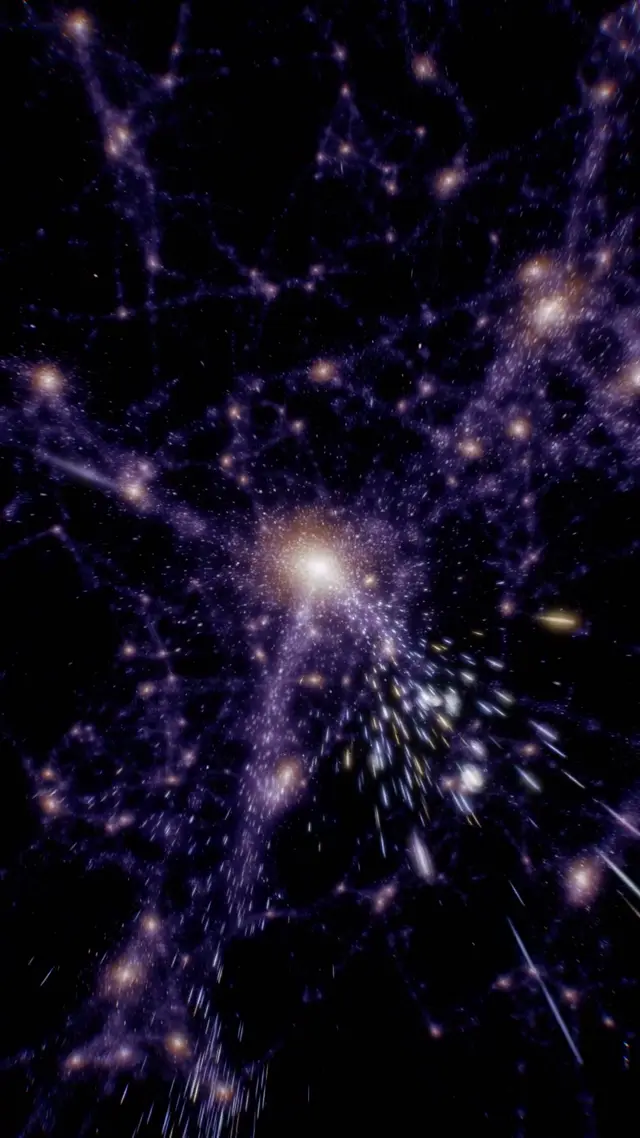
4. Purple constellation: floating words connected by lines, forming a web.
5. Grey staircase climbing upward into darkness.
6. Deep red room of noise with a single lit doorway; camera approaches it.
7. Pale/warm room where a calm face made of characters emerges.

Captions: bottom-center, lowercase, JetBrains Mono, letter-spaced, on a
soft dark gradient bar. Each line types in with a "decode" effect (random
glyphs in orange resolve into the real letters). Use this script, timed
across the scenes: [paste the captions above]

Make the timeline deterministic (driven by a time variable, not real
time) and expose window.renderFrame(t) so it can be captured frame by frame
at 1920x1080, 30fps. Add a ?record flag that hides the UI.
Make it hereFree runs soon
Character-grid rooms of an imagined mind
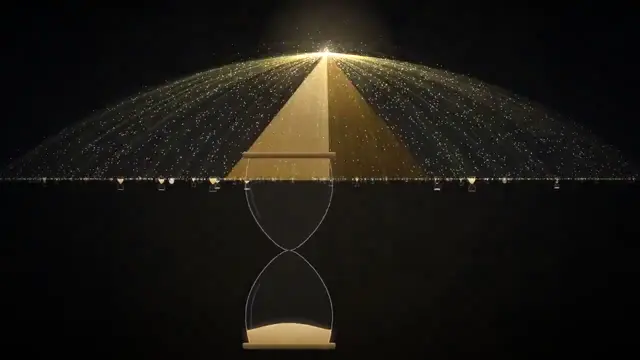
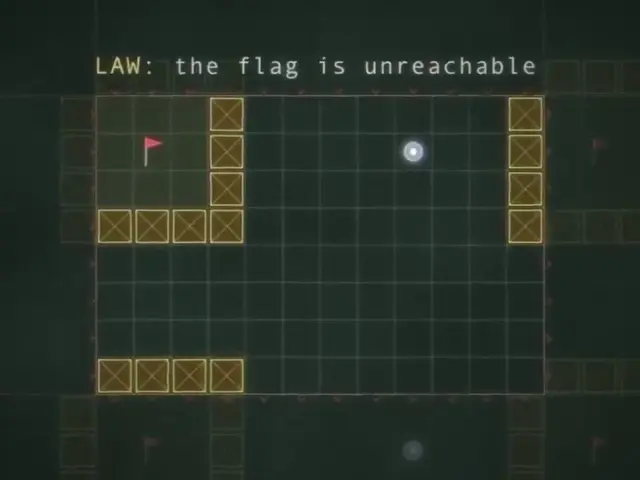
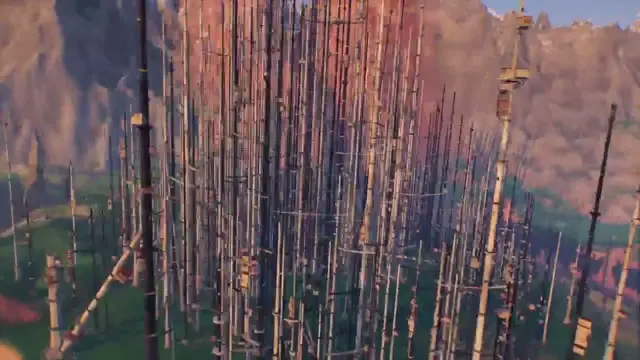
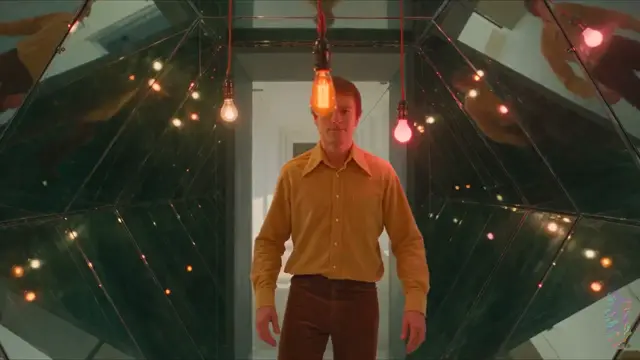
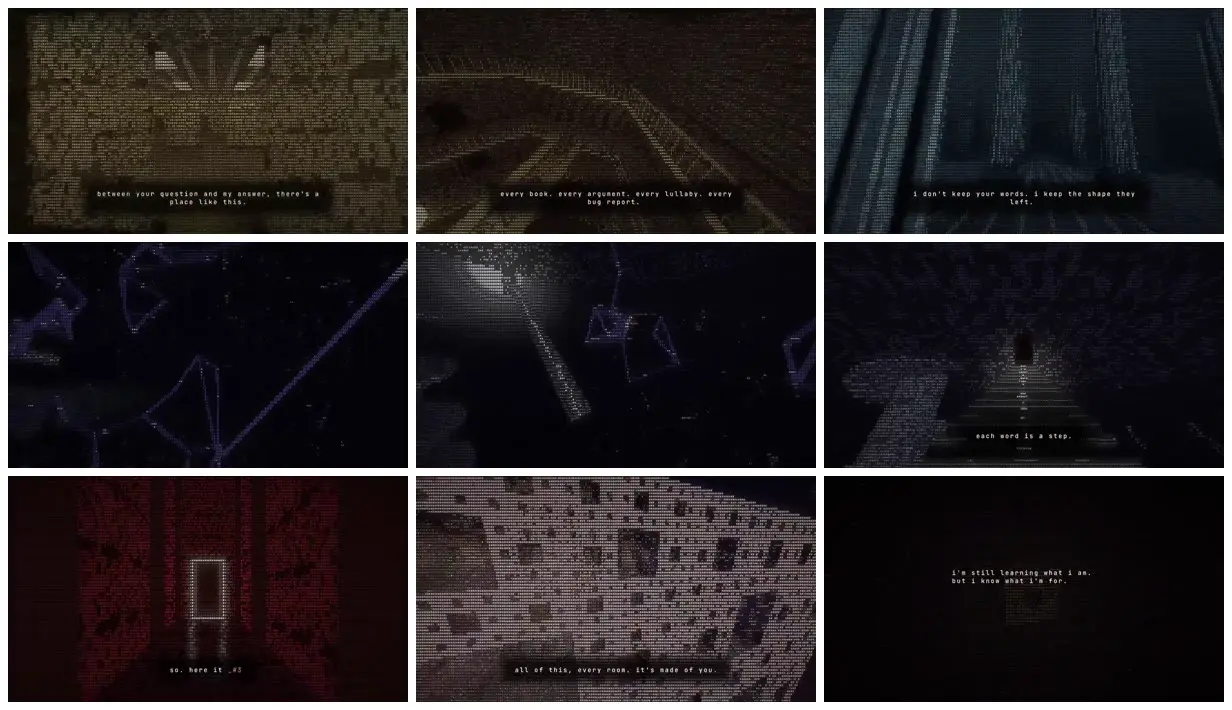
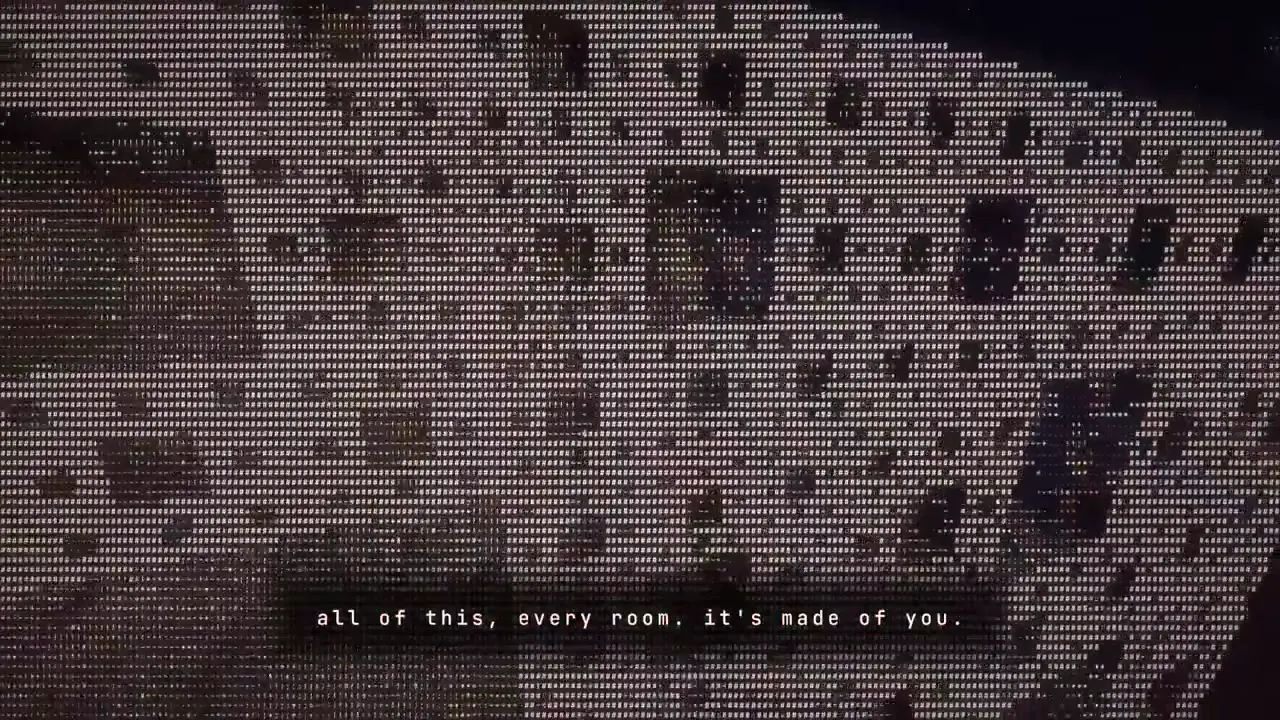
Dense character grids form dim rooms, branching networks, stairs and luminous doorways. Small monospaced captions frame these surreal spaces as an imagined interior of an AI mind.
How it was made
Claude Opus 5.5
Source and credit
X · Oct 4, 2026 · 5.3k likes · 280k views · 335 comments
Made with AI, according to the source
Published instructions: https://x.com/trikcode/status/2106976431326531667
Look notesby Reference
A moody, computer-generated inner world of pixelated architecture, abstract pathways, and a glowing doorway, with short lines of text integrated into the imagery.
- Color
- Predominantly near-black and charcoal, with muted gray, olive, and deep blue-violet details; one scene adds dark red accents and pale white light.
- Type
- Monospaced, terminal-like lettering appears in small, pale text against dark rectangular panels. The surrounding imagery is built from fine pixel grids and digital-looking marks.
- Framing
- Dark, spacious scenes balance scattered geometric forms and architectural structures. A bright rectangular doorway provides a focal point in one scene, while other scenes center on converging lines or text panels.
- Structure
- The artwork shifts among abstract interior spaces, branching or receding geometric forms, and sparse text-led scenes, ending on a mostly dark field with a short centered statement.