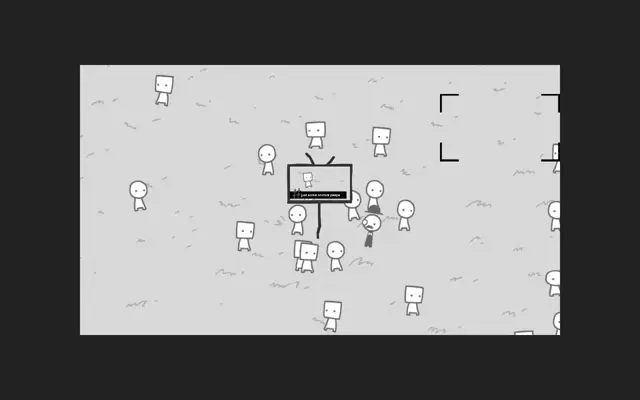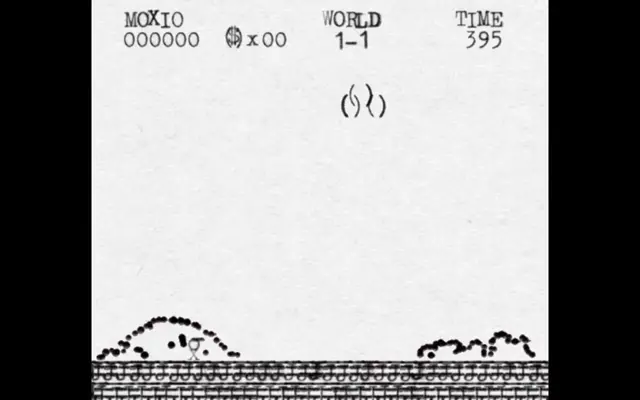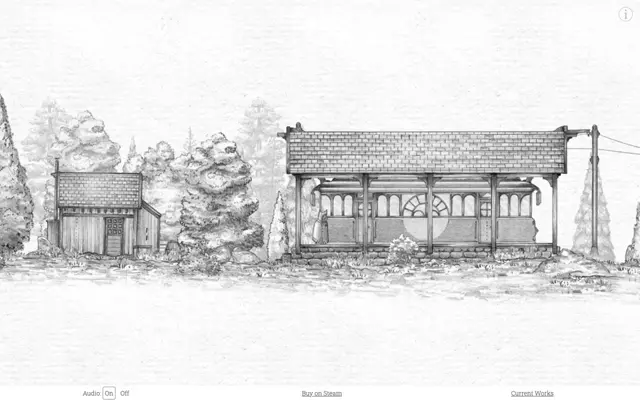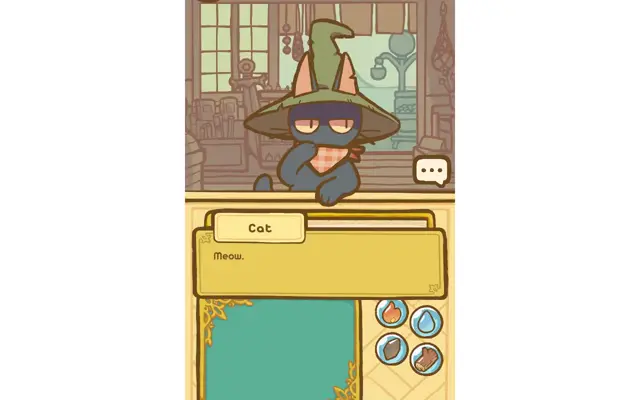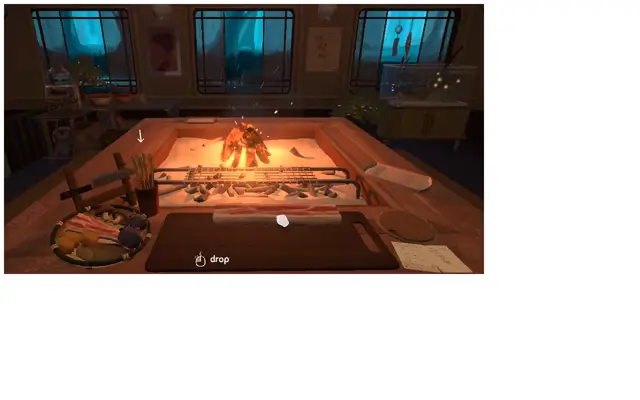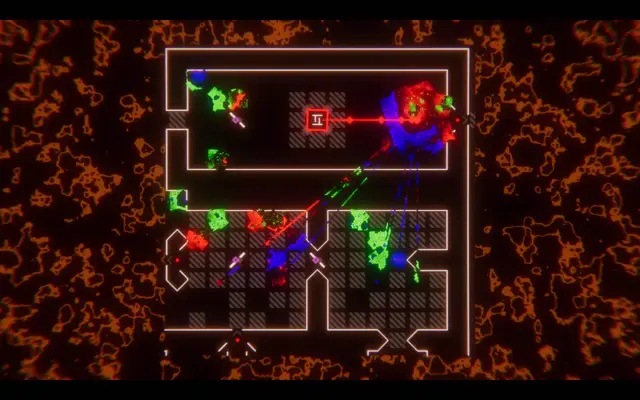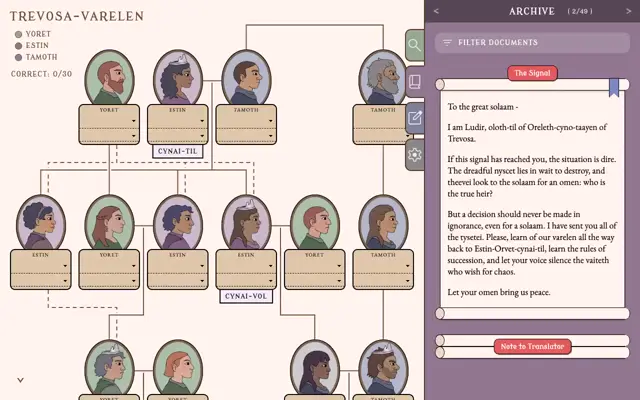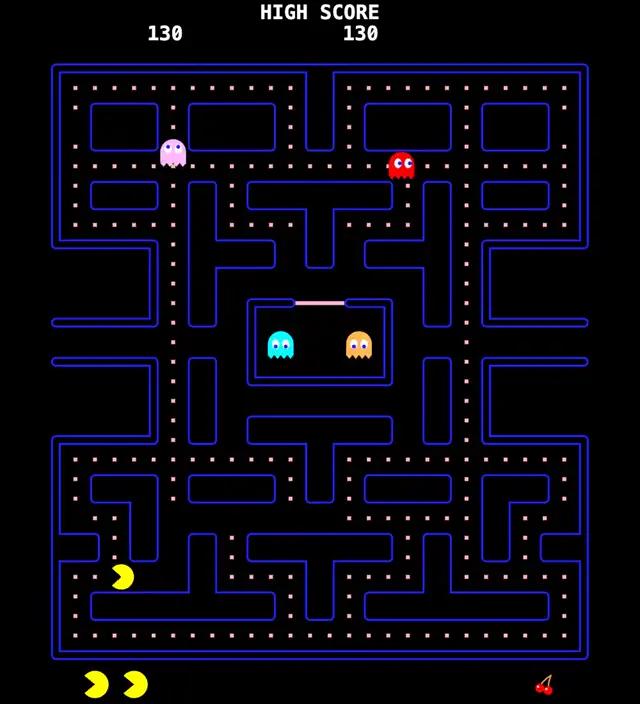
Use a consistent irregular stroke across characters, diagrams, buttons, and lettering to make instruction and interaction feel like one illustrated system. Frame introductory text with a low-contrast network, then simplify the playable scene to two color-coded actors and one central mechanism. For a new subject, replace the coin exchange and trust choices with its own concrete decision model while retaining the explanation–diagram–action hierarchy.
No creator prompt published. This brief was written by Reference.
A hand-drawn game of trust
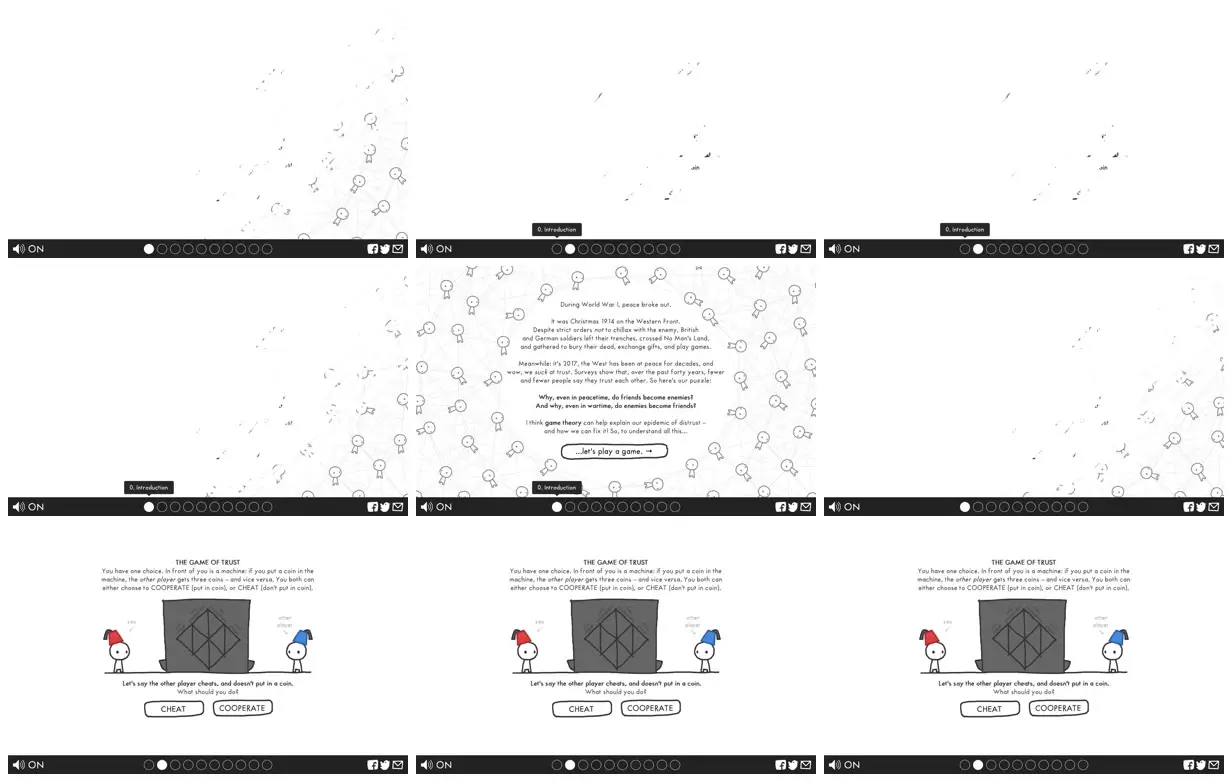
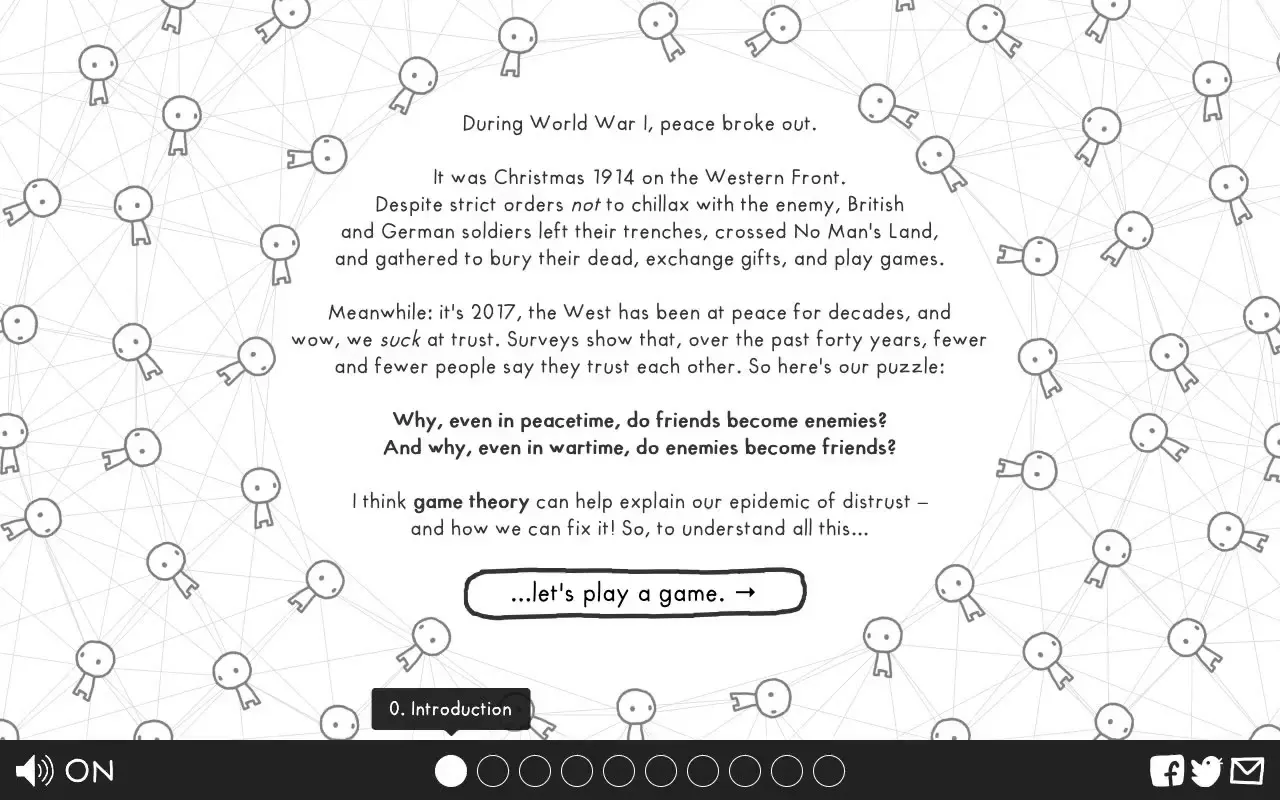
An illustrated learning game introduces trust through a character network, then presents two players beside a coin machine and asks the user to choose between cheating and cooperating.
Source and credit
Authorship not stated by the source
Look notesby Reference
Minimal, playful web-game design with simple cartoon characters and light line-art details.
- Color
- Mostly white with charcoal text and controls, pale gray illustrations, and small red and blue character accents.
- Type
- Small, clean sans-serif text; compact labels and button text.
- Framing
- Content is centered on a white page. The introduction is surrounded by scattered character drawings; the game screen places two characters on either side of a central machine, with choice buttons below.
- Structure
- The frames show a sparse introductory view, an explanatory text panel with a “Let’s play a game” button, and a game setup explaining the choice between CHEAT and COOPERATE. A dark control bar with an ON indicator, navigation dots, and social icons runs along the bottom.