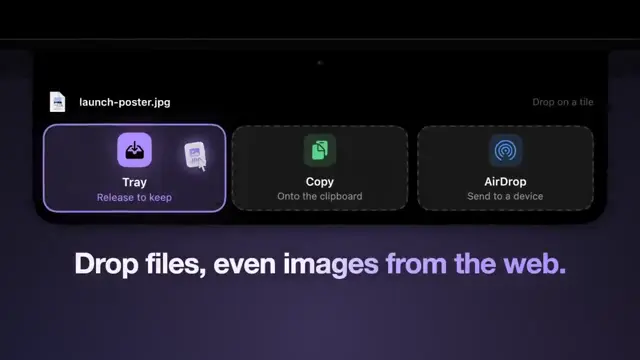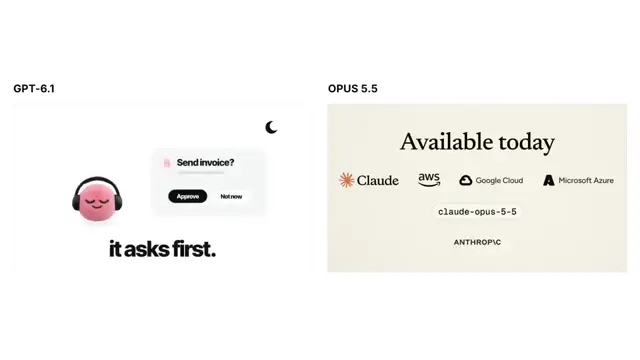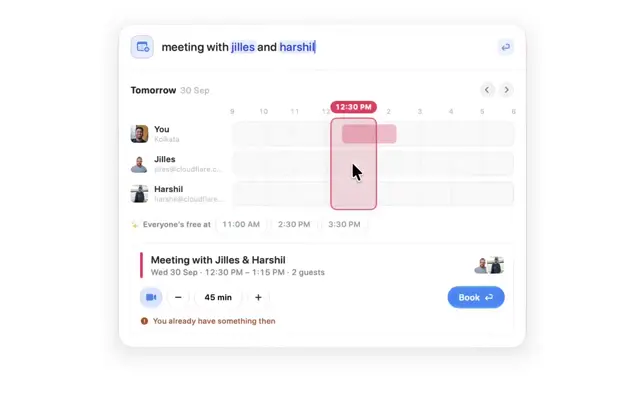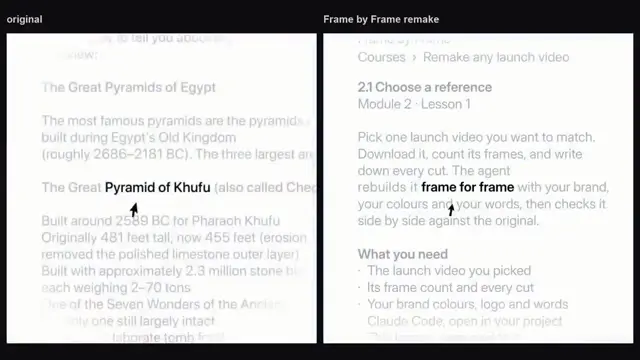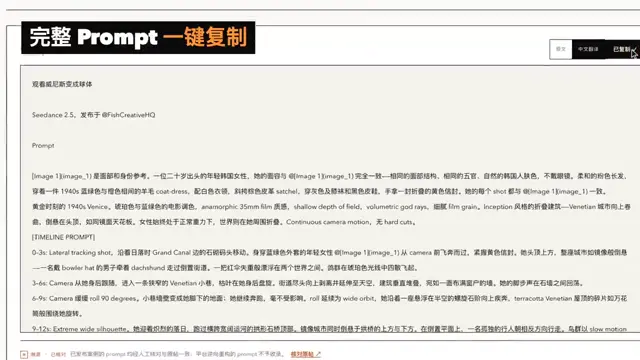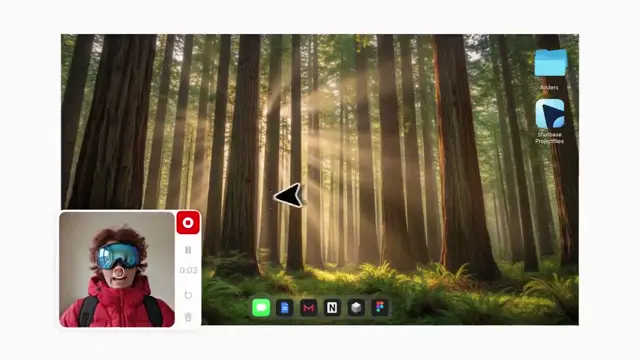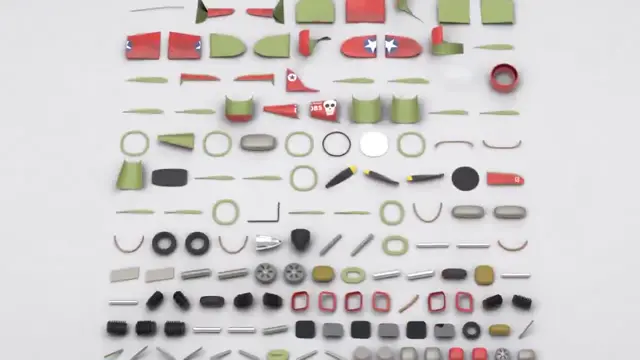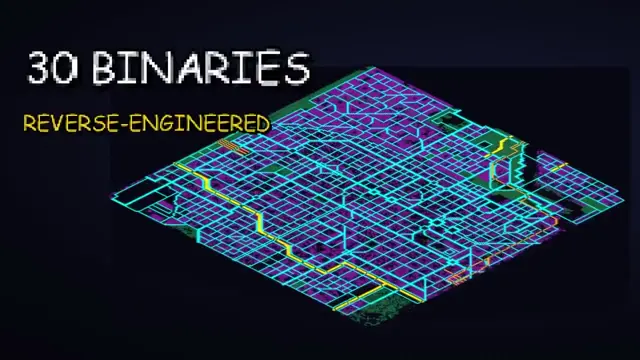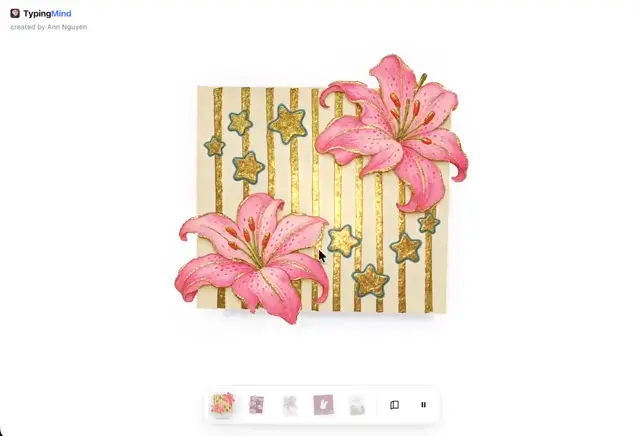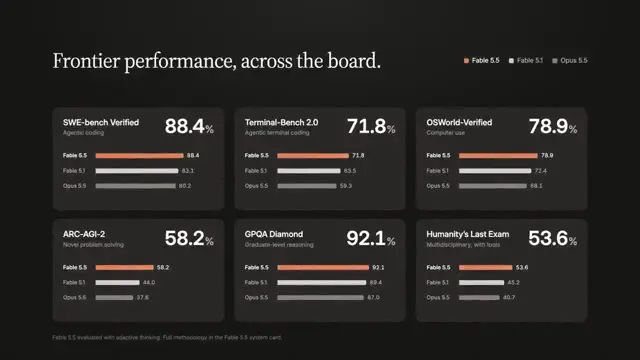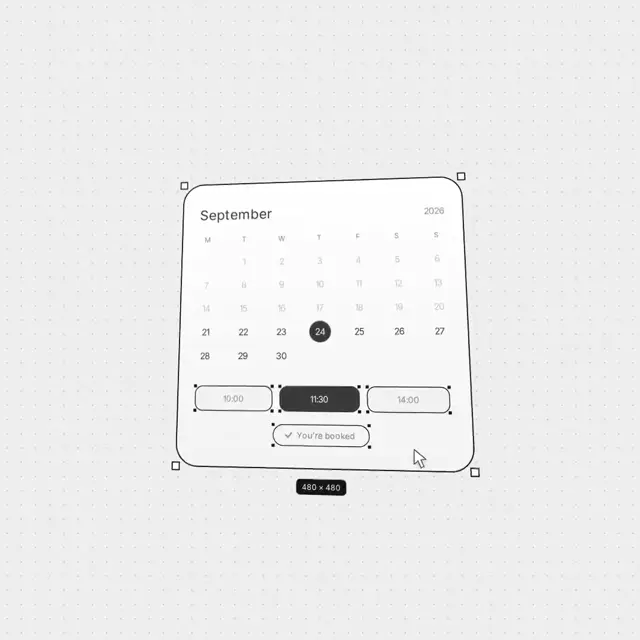
TASK: frame-locked 1:1 remake of REF=[path/to/reference.mp4]. Swap ONLY: brand name→[NAME], logo→[path/to/logo.png|svg], palette→[hex list or "derive from logo"], platform UI→[e.g. LinkedIn→X], faces/screens→[source]. All else identical: layout, sizes, positions, timing, easing, camera, cuts, blur, cursor path, typing cadence, audio beat grid.
ACCEPTANCE: REF and remake stacked + frame-locked → same pose every frame. Cuts 0 frames off. Position/size error ≤1% of frame. Typing char-count, cursor, camera on the same frames. Differences allowed only where the swap forces them (word widths); report each.

PHASE 0 — ANALYSIS (no building yet)
- ffprobe fps/res/duration. Extract ALL frames 0-based to ref/full/fNNNN.jpg + audio to ref/audio.wav. 1fps contact sheets for overview.
- Detect cuts via per-frame mean-abs-diff spikes; confirm visually. Write SPEC.md: shot table (id, f0–f1, content, transition in/out), per-shot detail, component inventory, verbatim on-screen text in order, colour tokens sampled from pixels, font sizes from cap height, cursor paths (tip xy per frame), camera keyframes.
- MEASURE with numpy on ref frames (ink bounding boxes, flood fills, template match), never eyeball. Store per-frame sample arrays for every major move; the spec's prose is a guide, ref/full is truth.
- Audio: STT with word timestamps (narration table: line, start, end, text). Music BPM + beat phase (onset autocorrelation), drop time, loudness arc per section, hard-stop time. SFX hit times from onset/spectral analysis. Voice pitch/wpm.

PHASE 1 — ENGINE (you, before any agents)
- Single HTML page, stage at REF native resolution. http://window.seek(t) renders frame F=t*fps as a PURE function of F: no timers, no Date, no Math.random (seeded hash), no CSS transitions/animations. Shots register SHOT({id,f0,f1,render(lf,F)}) returning HTML; seek routes F to its shot. window.ready=true only after document.fonts loaded + all images decoded.
- core.js shared helpers: easing set, kf(F,keys,ease), samples(F,f0,arr) interpolating measured arrays, camera(inner,scale,tx,ty,origin,blur), directional motion blur (SVG feGaussianBlur), cursor (glyph MEASURED from ref, press-scale curve measured), ripple, text reveal, brand tokens, logo component (mask-image of logo so any fill/gradient works), avatar/persona pickers.
- Palette swap as ONE deterministic filter applied to each rendered HTML string (hex/rgb/rgba re-hued by band, lightness preserved) so hard-coded colours in shots can't leak the old brand. Bitmaps untouched.
- render.mjs (Playwright Chromium, deviceScaleFactor 1): modes stills <frames> | compare <frames> (ref left | ours right + labelled sheet) | full <f0> <f1>. Per-agent OUT dirs so parallel runs don't collide. Print page errors.
- http://sync.py: REF over remake stacked, frame-locked mp4. http://encode.py: PNG frames → h264 at REF fps, mux audio.

PHASE 2 — PARALLEL BUILD
- Split shots into 4 contiguous groups; one agent each; each writes ONLY shots/<G>.js (IIFE, helpers prefixed <G>_), never edits core.js (request changes from you). Give each: BRIEF.md (acceptance bar, swap rules, file rules, verify loop), SPEC.md sections, core.js API.
- Verify loop per shot: compare first/last frame, every keyframe, 2 frames into each transition; iterate until within tolerance. ≤15 frames per render call; one render at a time per agent.
- Report table: shot | frames | MATCHES/CLOSE/ROUGH | residual diff | frames that would drift when stacked | spec errors found vs ref.
- 5th agent = audio: royalty-free commercial-OK track (record URL+licence), time-stretch to REF BPM, cut on beats so drop/breaks/silences land on REF times; SFX synthesized (numpy) on REF hit times; mix script with VO slot table (REF start times, text swapped) that fits each line (≤8% stretch), ducks music under voice, loudness-normalizes (~-14 LUFS, TP ≤ -1). Never reuse REF music or voice.

PHASE 3 — INTEGRATE
- Unify shared glyphs/components across groups (cursor, DM window, logo) — one definition, everyone uses it.
- Full render all frames (2–3 parallel chunks max), encode with mix, run http://sync.py, build 1-per-second ref|ours contact sheet + sheets at every group seam (last 2 / first 2 frames). Inspect. Fix drift. Re-render. Scan all frames for leftover old-brand colour.
- VO: generate per line (any TTS), trim silence, place on slots, re-mix.

PITFALLS (seen in practice)
- Measure text widths only AFTER fonts load (measureText before load caches fallback widths → words collide). Lazy-init any width tables.
- Word-length changes from the brand swap shift centred layouts; keep shared elements on ref positions, absorb the delta in the swapped word, report it.
- Randomised bursts/particles won't match stacked; drive the visible ones from measured tracks.
- Ref whips may be crisp (no blur); check before adding motion blur.
- Headless Chromium may need to run outside any OS sandbox; use swiftshader/ANGLE if WebGL is involved.
- Never claim a shot matches without viewing ref|ours side by side for it.

DELIVER: remake.mp4 (with audio), sync-check.mp4, SPEC.md, source, and a list of every remaining difference vs REF with frame numbers.Make it hereFree runs soon
Outbound campaign interface remake
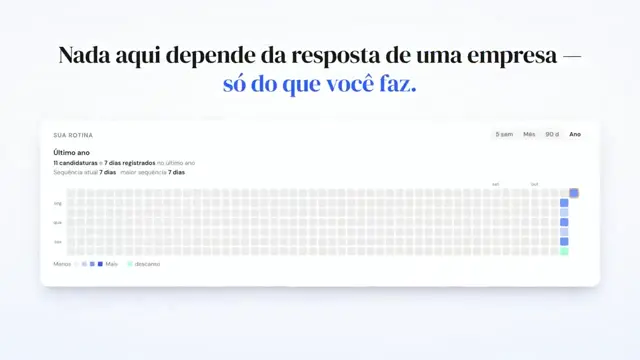
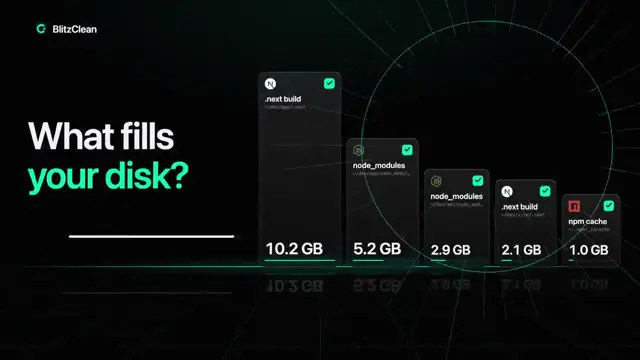
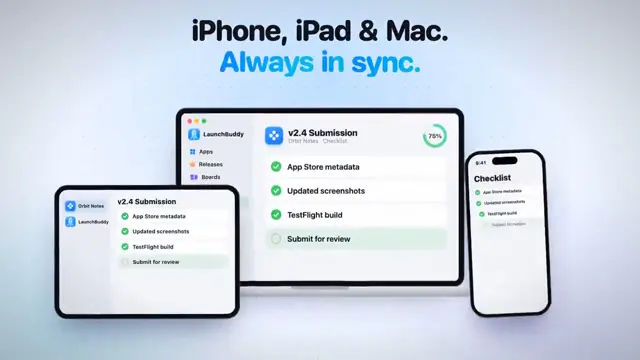
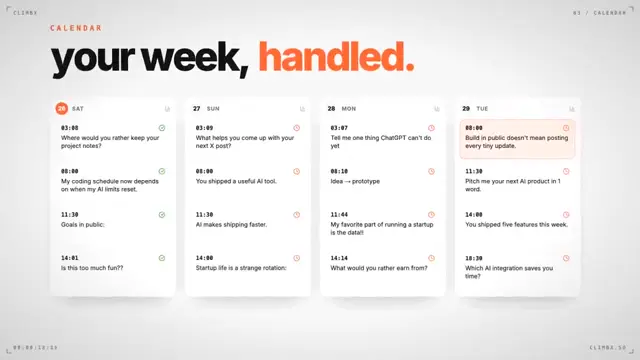
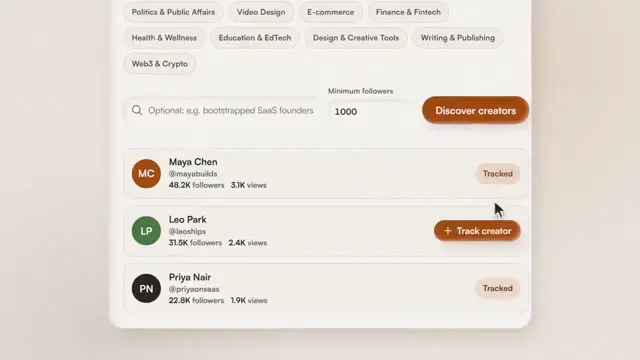
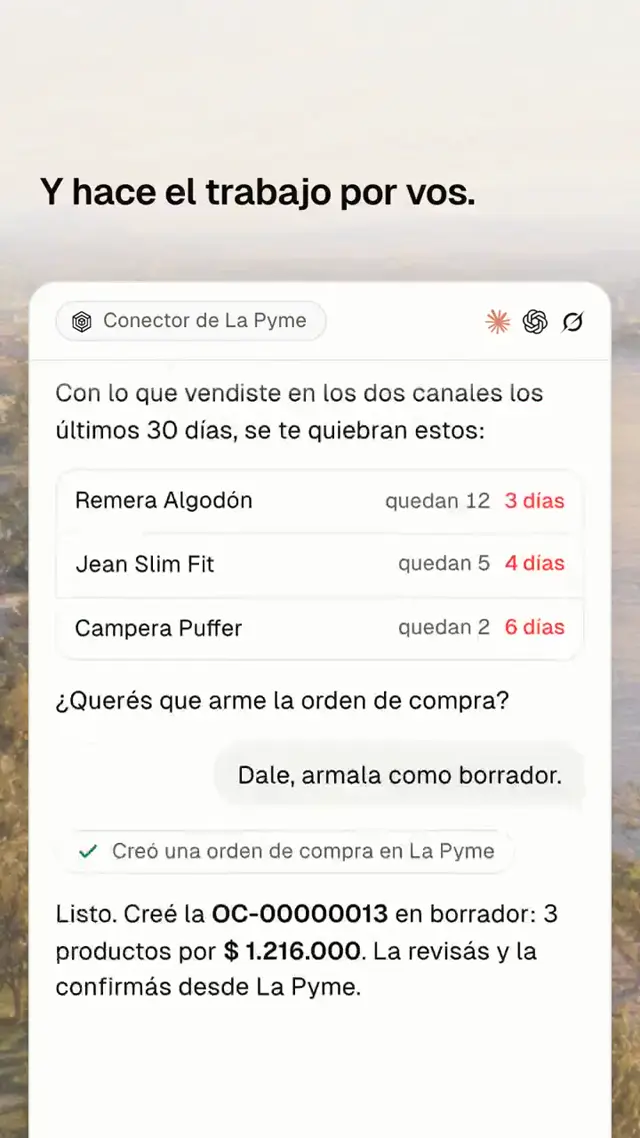
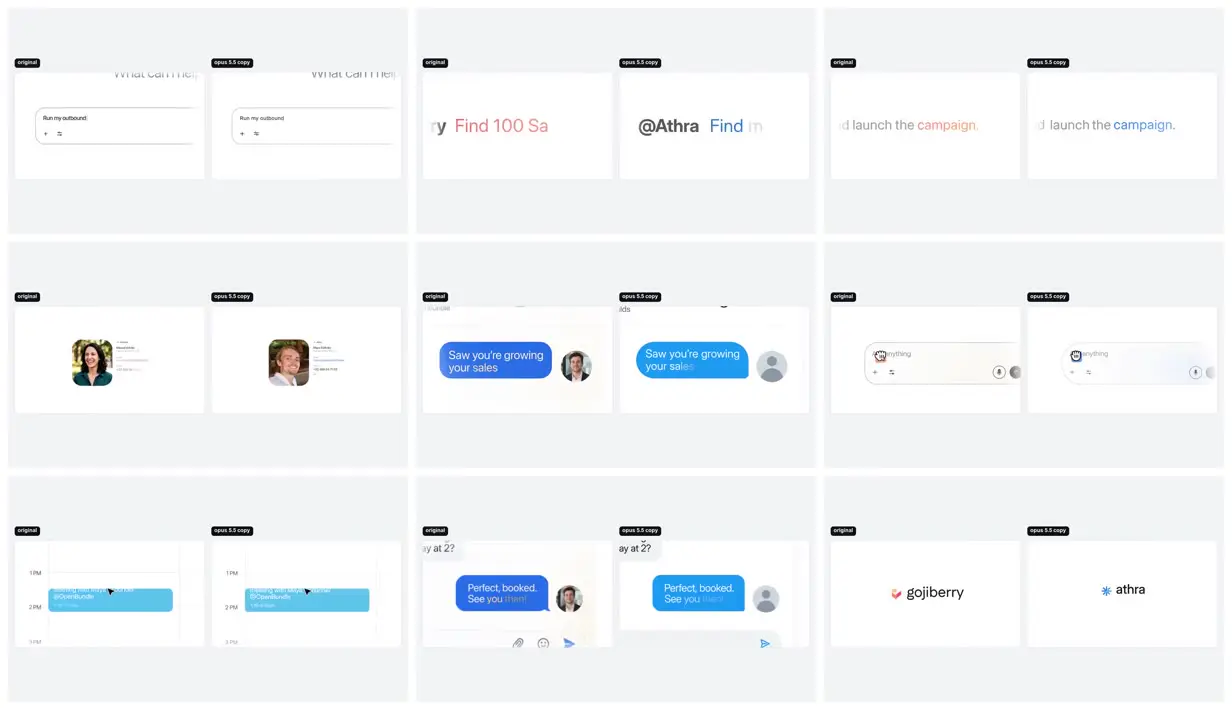
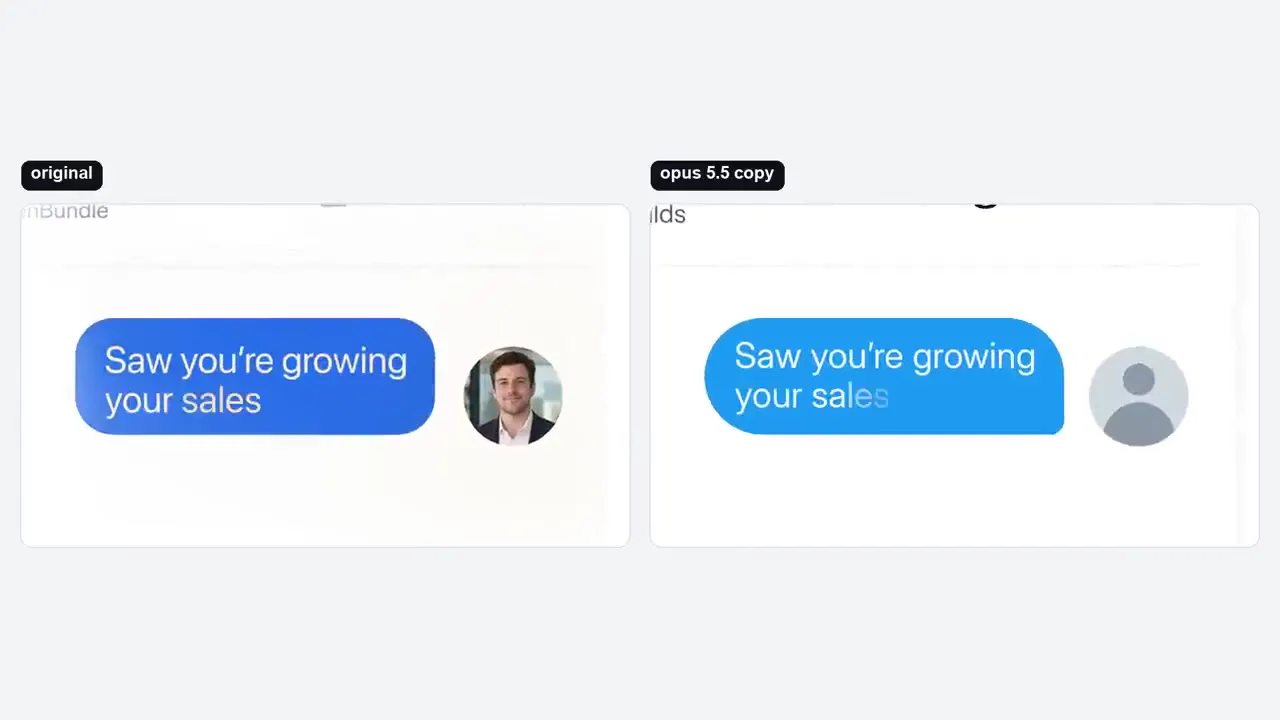
A side-by-side launch promo presents outbound campaign entry, prospect cards, chat bubbles and calendar booking, with matching white layouts adapted from coral branding to blue Athra branding.
How it was made
Opus 5.5
Source and credit
X · Sep 26, 2026 · 632 likes · 123k views · 25 comments
Made with AI, according to the source
Published instructions: https://x.com/notdwd/status/2103959830423859595
Look notesby Reference
A clean SaaS messaging and scheduling interface with sample conversations, calendar entries, user avatars, and brand marks.
- Color
- White and pale gray backgrounds, charcoal text, and bright blue-to-cyan accents; small coral and green details appear in some examples.
- Type
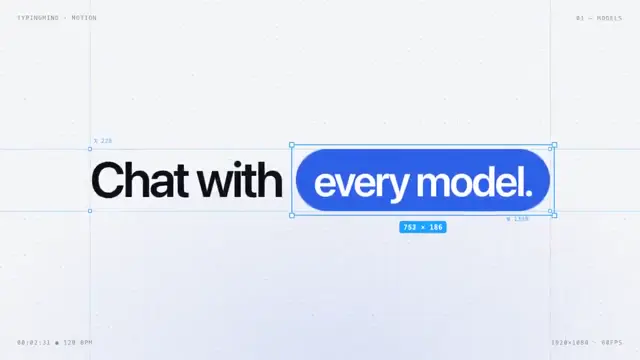
- Simple, lightweight sans-serif text, with blue or coral emphasis on selected words and actions.
- Framing
- Sparse interface mockups with ample whitespace; text, rounded message bubbles, controls, and small profile images are arranged in horizontal rows.
- Structure
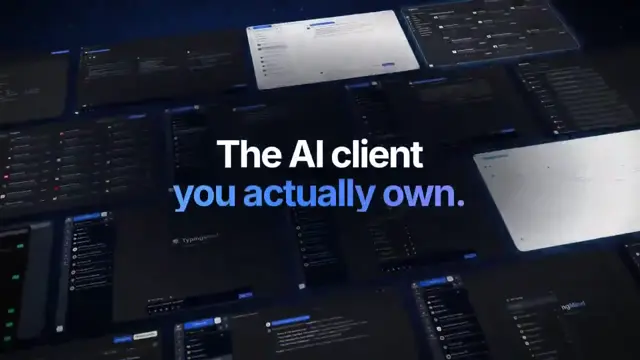
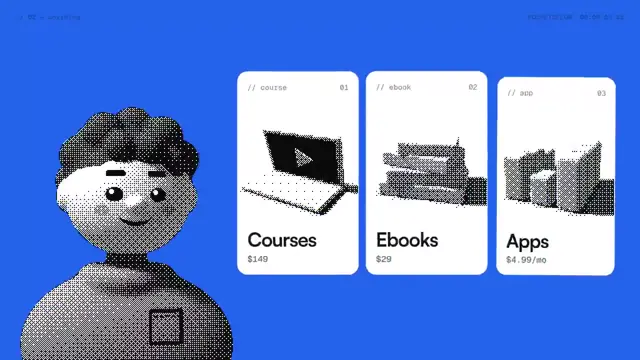
- Rounded white app cards contain compact input bars, chat bubbles, or calendar blocks. The closing brand artwork shows small colored symbols beside lowercase wordmarks.