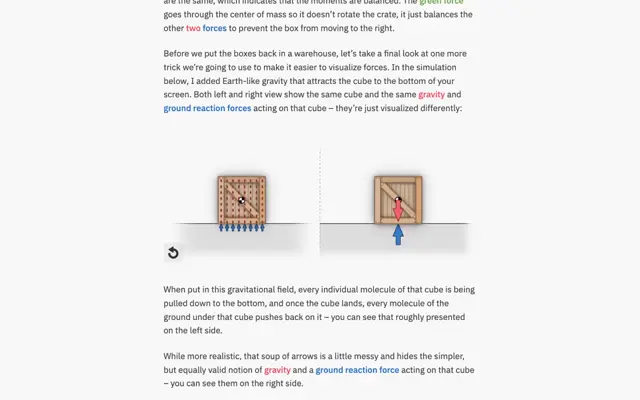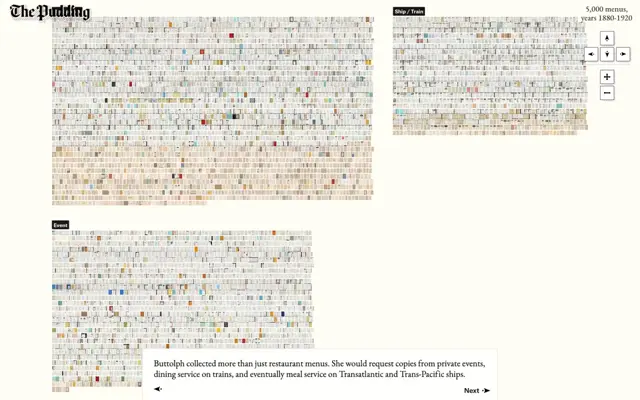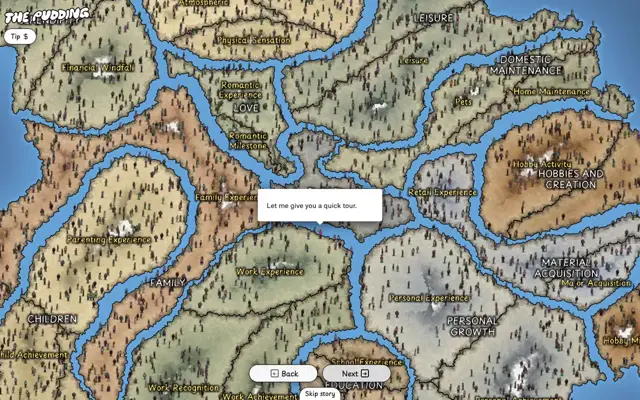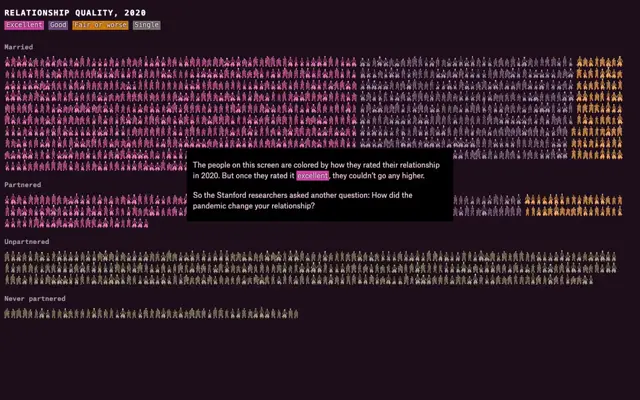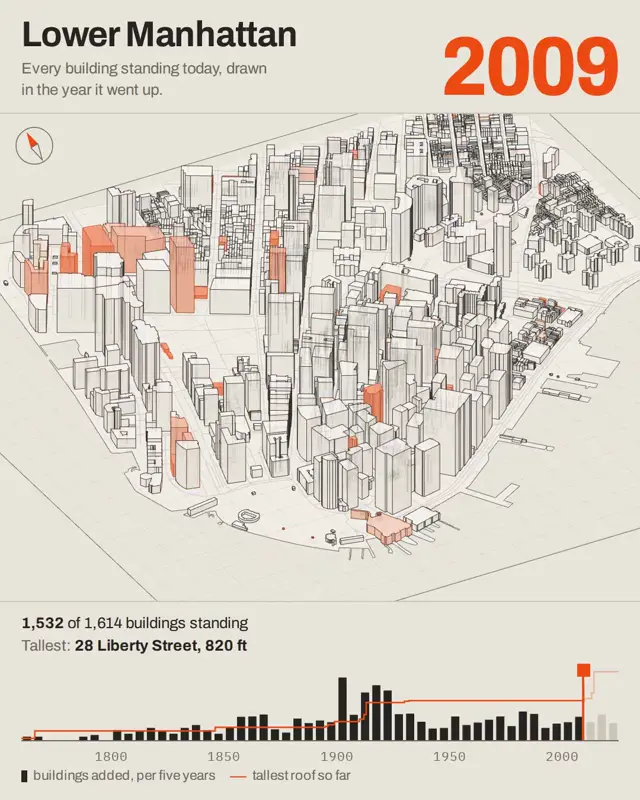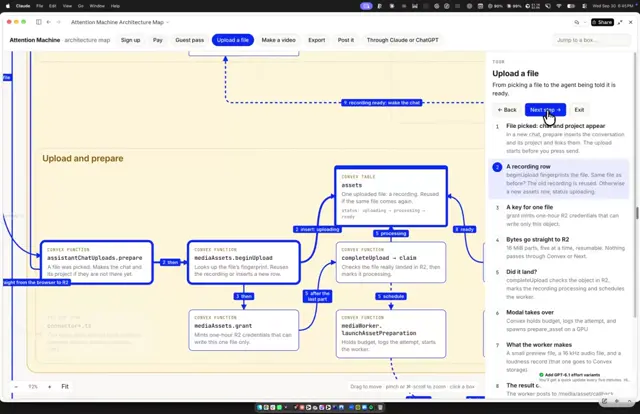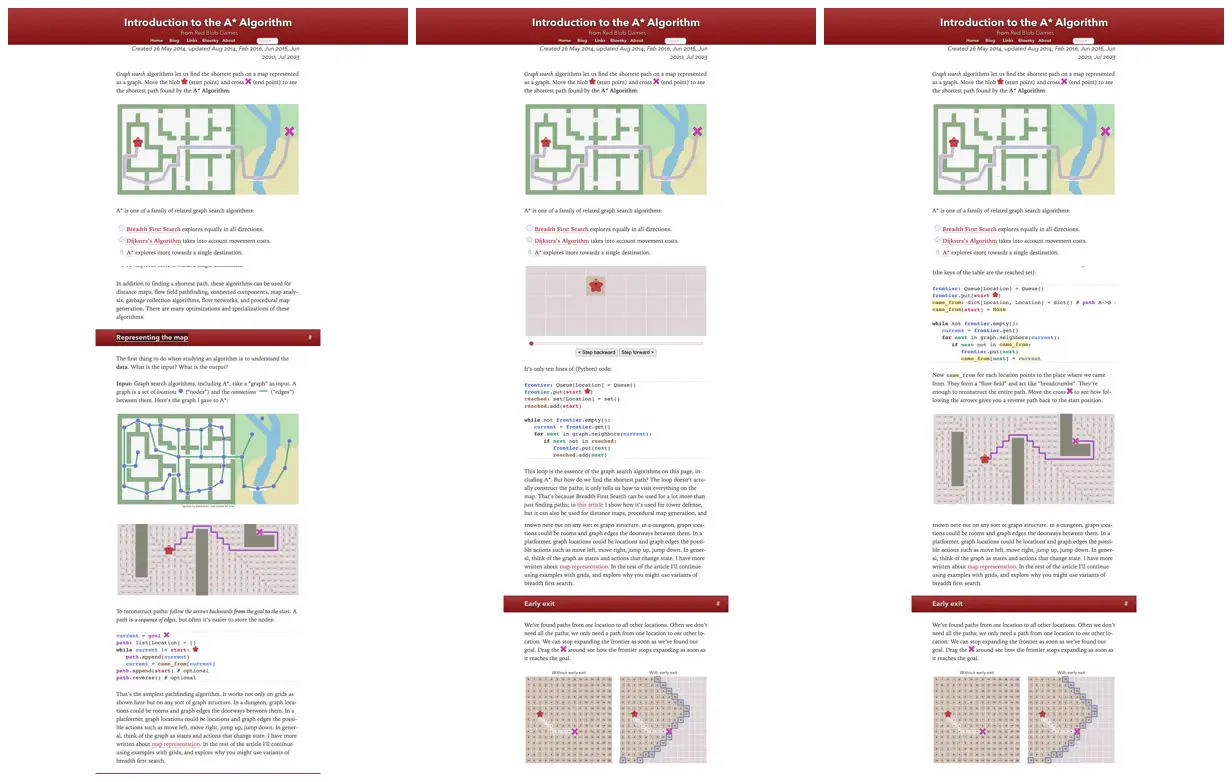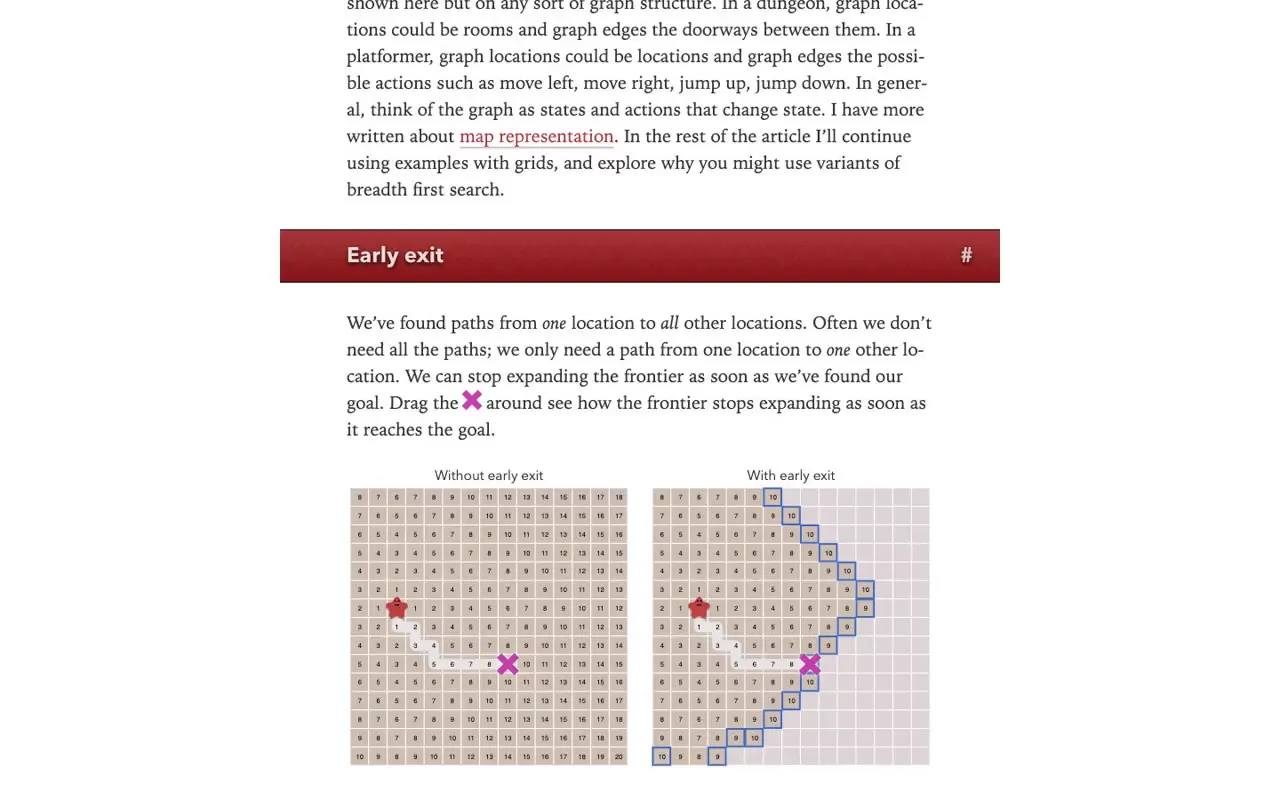
Reuse the same endpoint shapes and semantic colors in prose, code, and diagrams so readers can trace a concept across representations. Layer a simplified node-and-edge graph over a recognizable scene, then reduce it to a grid with arrows and a contrasting route. Compare alternatives on identically sized grids, and highlight only the changed code terms. For a new subject, replace the terrain, symbols, and algorithm states while retaining this progression from concrete scene to abstract model to comparison.
No creator prompt published. This brief was written by Reference.
A* pathfinding explained visually
An illustrated pathfinding explainer pairs readable prose and color-coded code with terrain maps, graph overlays, directional grids, step controls, and side-by-side comparisons of search coverage.
Source and credit
Website · May 26, 2014
Authorship not stated by the source
Look notesby Reference
Tutorial page introducing A* and related pathfinding concepts, illustrated with maps, grid diagrams, and code examples.
- Color
- White and light gray backgrounds with dark red headers, green map areas, and blue, purple, and red diagram details.
- Type
- Bold sans-serif headings, serif article text and syntax-colored monospace code.
- Framing
- A narrow centered article column with broad white margins; maps, code and paired comparison diagrams align with the reading flow.
- Structure
- Repeated site header above article text, diagrams, and code blocks, with dark red section-heading bars separating topics.