Task prompt
"Autonomously create, rig, animate, and render an original low-poly/AA-style Elf Swordsman Adventurer character entirely within Blender."

Constraint
"Use only native Blender functionality via Python scripting. Do not use external pre-made meshes, third-party libraries, external rigs, or external generative tools."
Make it yours. Replace "Elf Swordsman Adventurer" with your own character and "low-poly/AA-style" with the look you want. The creator also asked for a simple rig and idle, run, jump, and attack animations, so name the cycles you need.
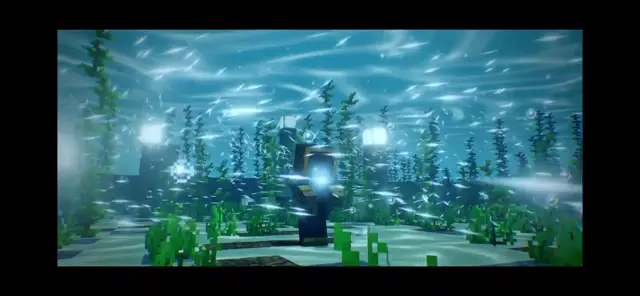
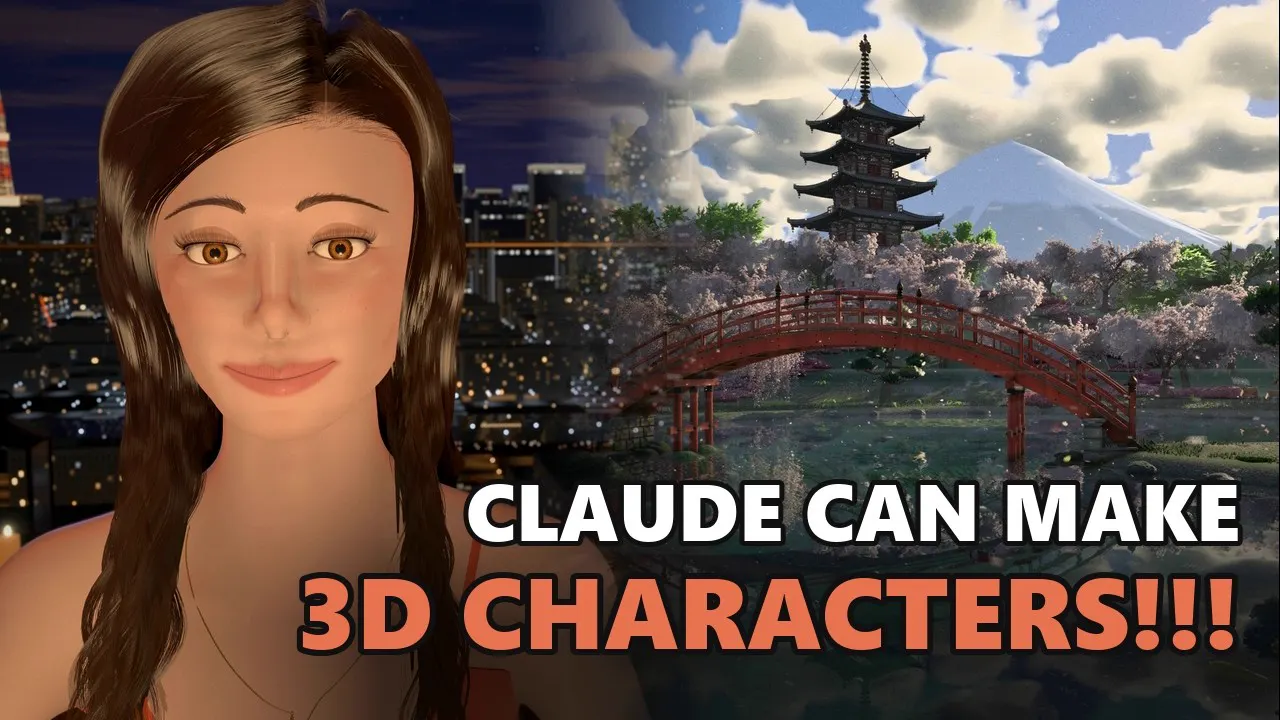
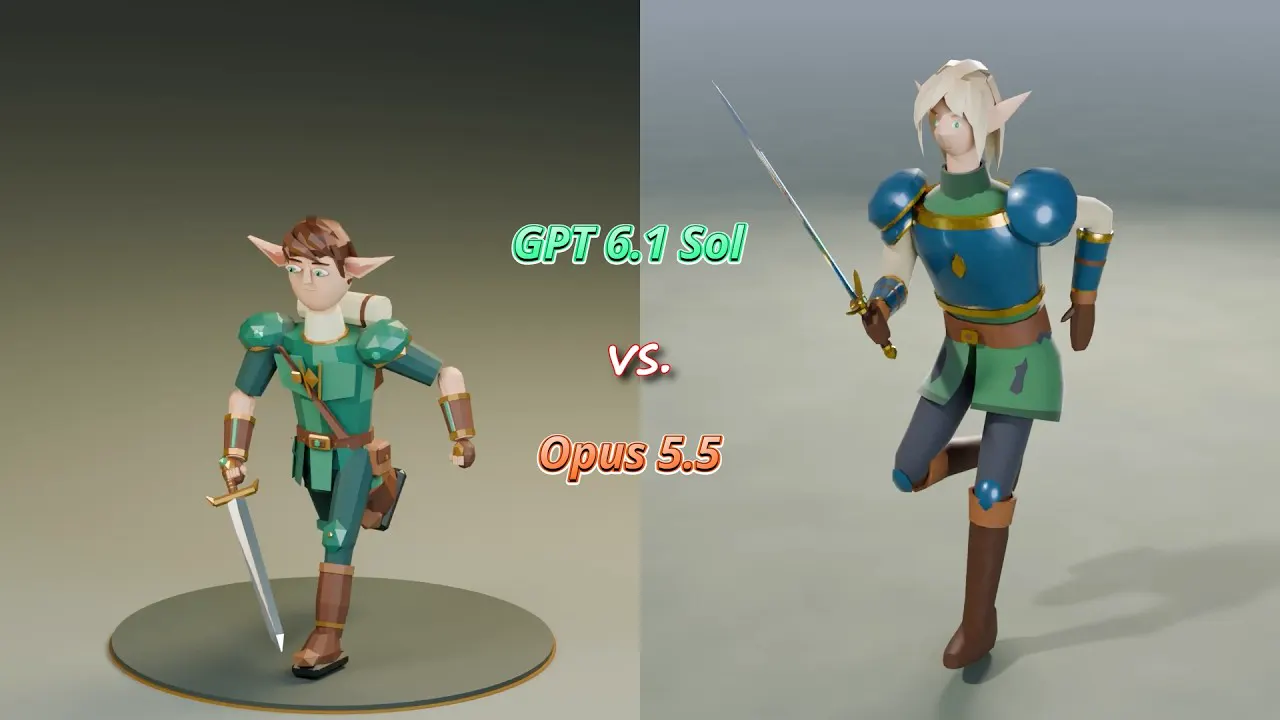
Low-poly elf swordsman, Sol vs Opus
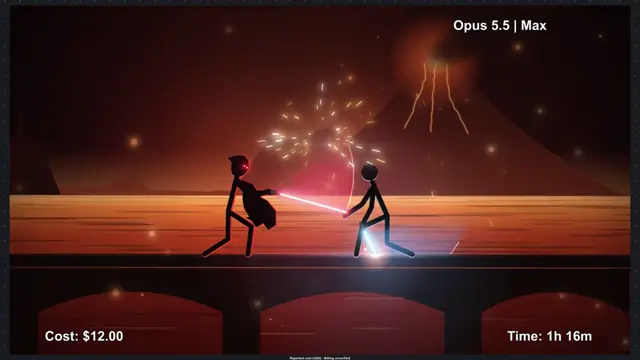
A 4-minute comparison of an original low-poly elf swordsman that GPT 6.1 Sol and Claude Opus 5.5 each modeled, rigged, animated, and rendered in Blender with Python alone, with idle, run, jump, and attack cycles. The creator found Opus's animations smoother.
“I ran the task only once, so please treat the results as a single data point.”
- Claude Code
- Claude Opus 5.5
- GPT 6.1 Sol
- Blender
- Python
- 34% of a 5h window (Opus)
You'll need
- Blender installed, with an agent that can run Python in it
How it was made
Each model ran the task once at the highest effort the creator's $20 plan allowed: Ultracode, Claude Code's mode, for Opus 5.5 and Ultra for GPT 6.1 Sol, whose harness isn't named. In the video the creator says they also asked for a simple rig and four animations (idle, run, jump, and a simple attack), which the published task prompt doesn't spell out, so the full prompt may have been longer. Both meshes came in at about 3,000 vertices. The creator found Opus's idle, run, and jump smoother and closer to game-ready, and thought both attacks were stiff.
On the $20 plans, Opus 5.5 used 34% of its five-hour limit and 5% of its weekly limit; GPT 6.1 Sol used 30% and 4%.
Posted Oct 1, 2026 · YouTube · 4 likes · 714 views
Prompt from: YouTube description, as "Task prompt" and "Constraint"