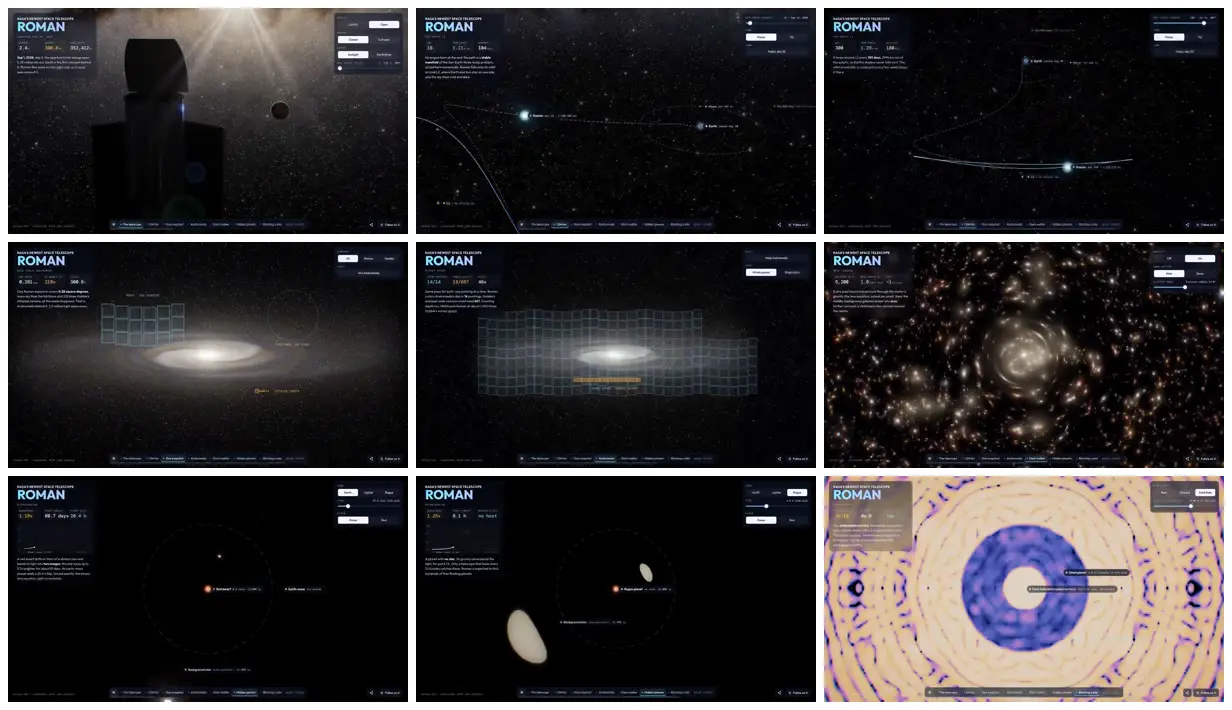
Adapt the consistent dark scientific interface to explain another observing instrument or environmental sensor. Pair a large subject view with thin geometry overlays, then use tiled coverage diagrams to make scale comparisons concrete. Reserve a contrasting false-color palette for phenomena that cannot be shown directly.
No creator prompt published. Reference wrote this brief. Copy for agent includes the brief, visual reference links, and setup guidance.
Roman telescope and cosmic survey maps
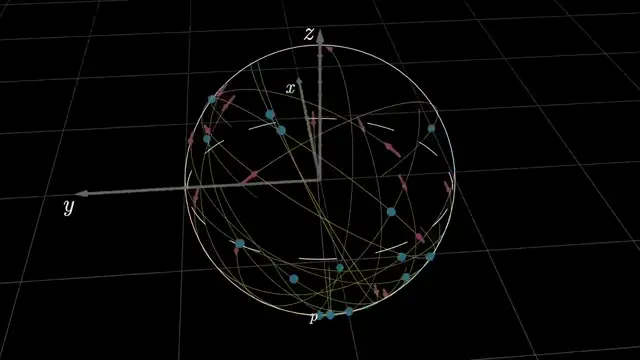
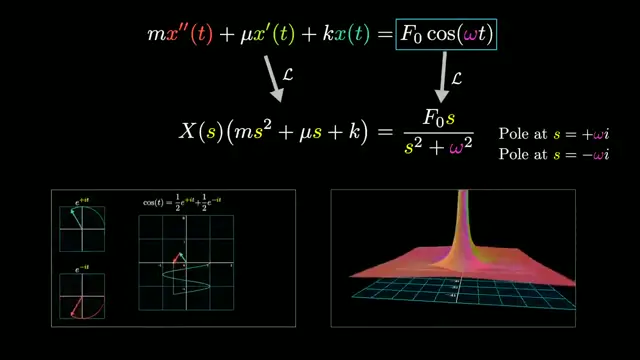
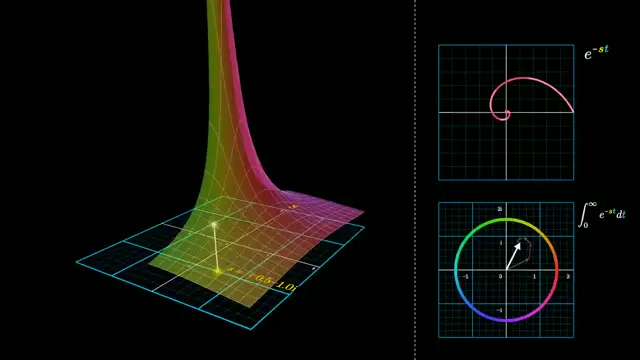
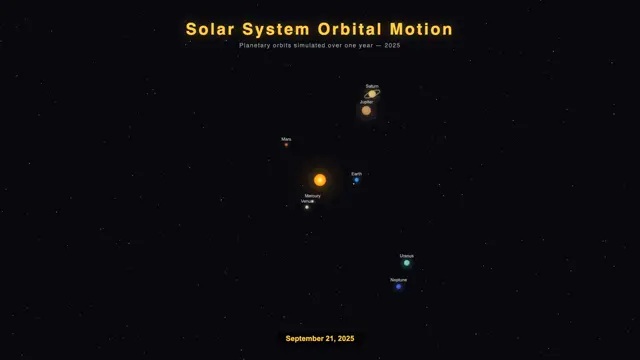
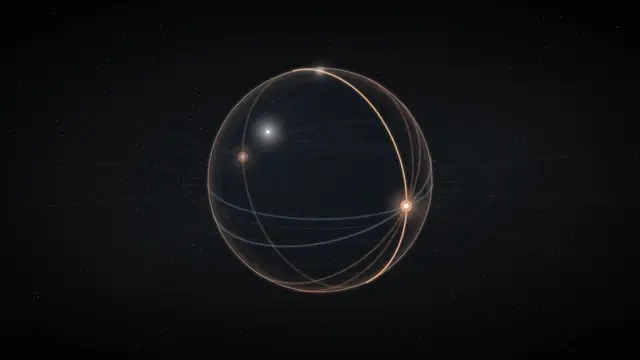
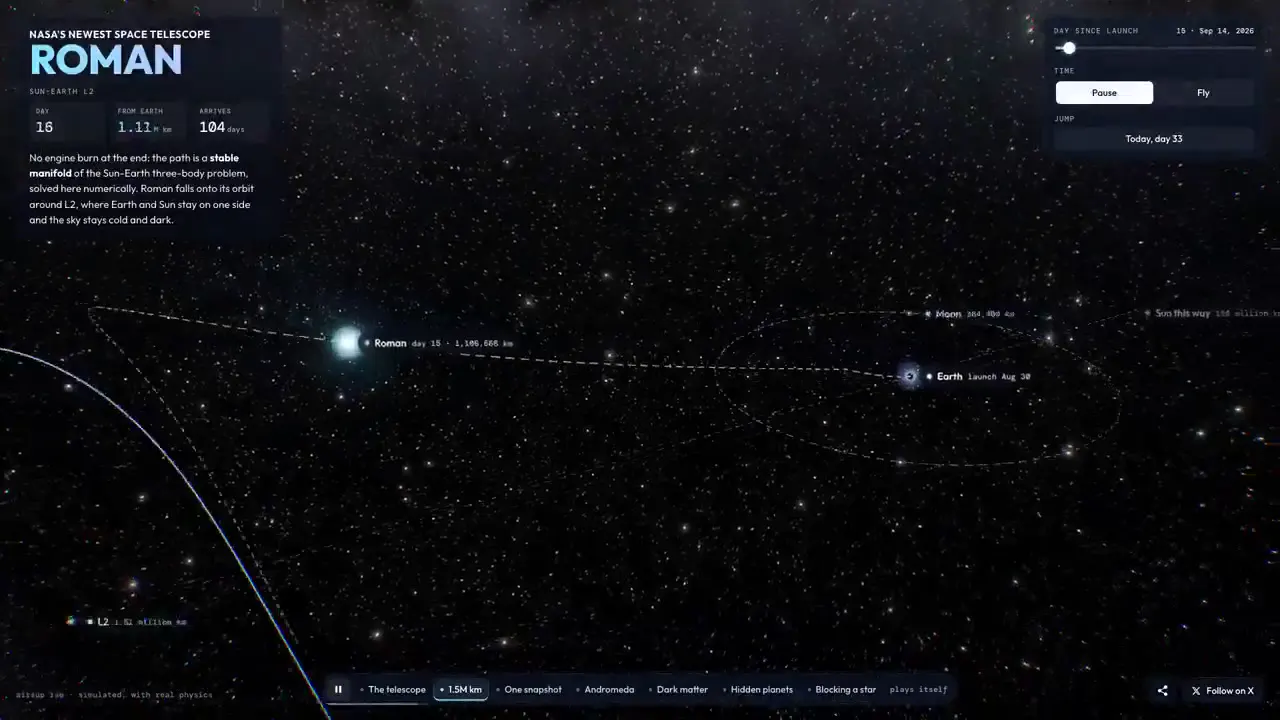
A space-science visualization presents the Roman telescope, orbital geometry, Andromeda survey grids, distorted galaxy fields, isolated planets, and a false-color circular map within a consistent dark interface.
How it was made
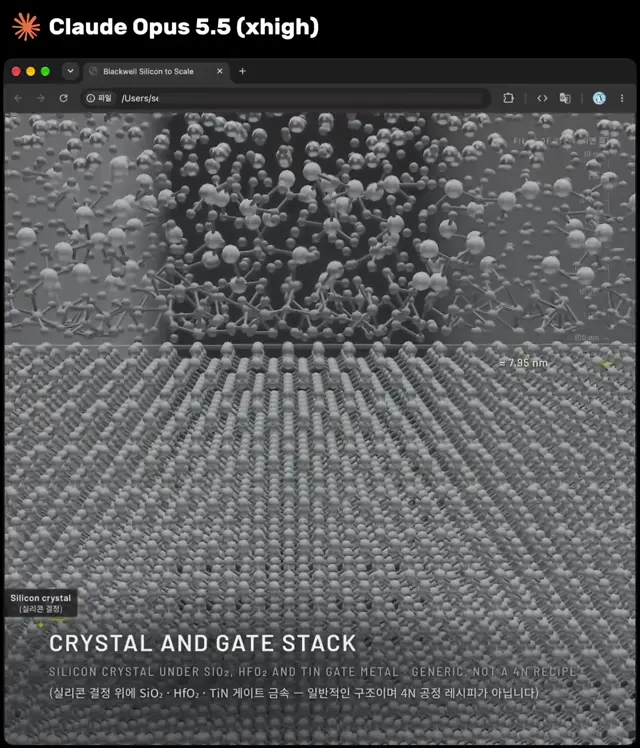
Claude Opus 5.5
Source and credit
X · Oct 2, 2026 · 70 likes · 13k views · 3 comments
Made with AI, according to the source
Look notesby Reference
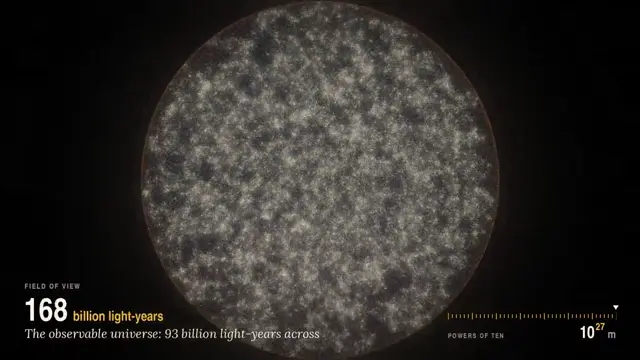
Stylized telescope-view imagery of a spiral galaxy, stars, orbital paths, and planets shown against space-like backgrounds.
- Color
- Mostly black and deep navy, with white and blue stars, soft gray galaxy light, and a final high-contrast cream, violet, and blue visualization.
- Type
- Digital astronomical simulation with diagrammatic overlays and softly rendered celestial objects.
- Framing
- A bright galaxy or central celestial object anchors several views; other frames place small planets and points of light within sparse dark fields and curved orbital paths.
- Structure
- A sequence of distinct space visualizations, moving from a telescope silhouette and orbital diagrams to a glowing galaxy, isolated planets, and a false-color field map.